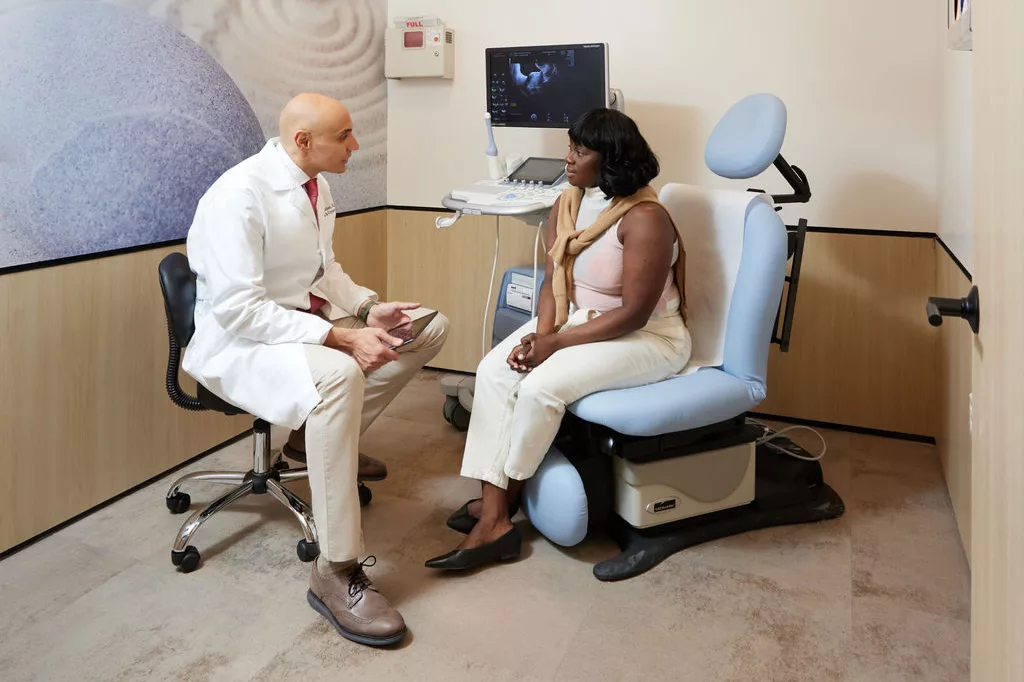
Hysterosalpingography (HSG) is a specialized diagnostic procedure that plays a significant role in evaluating the shape and condition of the uterine cavity and fallopian tubes. This examination is pivotal in assessing fertility issues and detecting abnormalities that may affect a woman’s reproductive health. Understanding the intricacies of this procedure can help alleviate concerns and provide clarity for those undergoing fertility evaluations.
What is Hysterosalpingography?
Hysterosalpingography is an X-ray technique used to investigate the uterine cavity and fallopian tubes. It involves the introduction of a contrast medium that highlights the structures during imaging, allowing for detailed examination.
Purpose of the Procedure
- Evaluate the shape and structure of the uterus.
- Check for blockages or abnormalities in the fallopian tubes.
- Identify uterine abnormalities such as polyps or fibroids.
- Assess the potential causes of infertility.
The Hysterosalpingogram Procedure
The hysterosalpingogram procedure is typically performed in a clinical setting by a healthcare professional. It is a relatively quick procedure, often completed within 30 minutes.
Steps Involved
- The patient lies on an examination table, similar to a pap smear position.
- An instrument called a speculum is inserted into the vagina to keep it open.
- A thin tube is inserted through the cervix into the uterine cavity.
- A contrast dye is injected through the tube, filling the uterus and fallopian tubes.
- X-ray images are captured to visualize the spread of the dye.
Applications in Fertility Assessments
The hsg test for infertility is crucial for individuals experiencing difficulties in conceiving. It helps in identifying conditions such as blocked tubes or uterine anomalies that may contribute to infertility. The test is often a part of a comprehensive fertility evaluation test.
Additionally, the procedure can help diagnose hysterosalpingogram endometriosis, a condition where tissue similar to the lining inside the uterus grows outside it, possibly affecting fertility.
Preparing for the Procedure
Proper preparation can ensure that the hsg test near me yields accurate results and minimizes discomfort.
Preparation Tips
- Schedule the test after menstruation but before ovulation, usually between days 7-10 of the menstrual cycle.
- Inform the healthcare provider of any allergies, especially to iodine-based contrast dyes.
- Consider taking pain relief medication an hour before the procedure to ease discomfort.
- Arrange for someone to accompany you if you feel uneasy about the procedure.
Understanding the Results
After the procedure, a specialist reviews the X-ray images to assess the condition of the uterus and fallopian tubes. Normal results typically show a uterus of regular shape and open fallopian tubes. Any irregularities may require further investigation or treatment.
Understanding the hysterosalpingography procedure can empower individuals with knowledge about their reproductive health, aiding in informed decision-making regarding fertility and potential treatments.