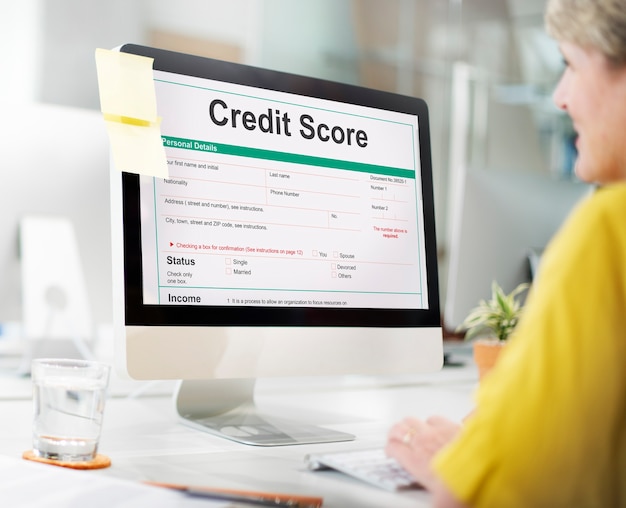
In the bustling city of Brownsville, understanding one’s credit report is crucial for financial planning and stability. A credit report is more than just a number; it is a comprehensive document detailing an individual’s financial history and behavior. Analyzing this report can reveal opportunities for improvement and highlight potential areas of concern. This article delves into the intricacies of credit report analysis, providing insights into how residents of Brownsville can effectively manage and enhance their credit profiles.
What is a Credit Report?
A credit report is a detailed record of an individual’s borrowing history and repayment behavior. It encompasses a wide range of financial activities, including loans, credit card accounts, and payment history. Major credit bureaus compile this data and provide credit scores that financial institutions use to assess an individual’s creditworthiness.
Key Components of a Credit Report
- Personal Information: Includes name, address, Social Security number, and employment history.
- Credit Accounts: Lists all current and past credit accounts, including account types, credit limits, and payment history.
- Credit Inquiries: Records any requests for an individual’s credit report by third parties.
- Public Records: Details any bankruptcies, foreclosures, or legal judgments.
Importance of Credit Report Analysis
Analyzing a credit report is essential for maintaining a healthy financial status. It helps individuals:
- Identify errors or inaccuracies that could negatively impact credit scores.
- Understand factors influencing their credit scores.
- Make informed decisions about applying for new credit.
- Plan strategies for improving or maintaining credit health.
Residents of Brownsville can benefit significantly from understanding the nuances of their credit reports. Find out more about this approach and how it can enhance financial decision-making.
Steps for Effective Credit Report Analysis
To effectively analyze a credit report, consider the following steps:
Obtain Your Credit Report
Start by obtaining a copy of your credit report from all three major credit bureaus: Experian, Equifax, and TransUnion. This ensures you have a comprehensive view of your credit history.
Review Personal Information
Check the personal information section for accuracy. Any discrepancies in this section could lead to identity theft or credit fraud. Explore advanced guides and tips on how to address these issues effectively.
Examine Credit Accounts
Review the list of credit accounts for accuracy. Look for any unfamiliar accounts or errors in account details. These could indicate fraudulent activity or reporting mistakes.
Analyze Payment History
Payment history is a crucial factor in credit scoring. Ensure all payments are accurately recorded. Late payments should be addressed immediately to mitigate their negative impact.
Evaluate Credit Inquiries
Frequent credit inquiries can lower your credit score. Be mindful of who is accessing your credit report and why. Discover expert strategies here to manage credit inquiries effectively.
Taking Action on Your Credit Report
Once the analysis is complete, it is important to take actionable steps to improve or maintain your credit health. This includes disputing any inaccuracies, managing debt responsibly, and planning future credit applications strategically. Learn about our tailored solutions for optimizing credit scores.
Effective credit report analysis is a vital skill for anyone looking to secure financial stability and growth. By understanding and managing their credit reports, residents of Brownsville can take proactive steps towards achieving their financial goals and ensuring a healthier financial future.