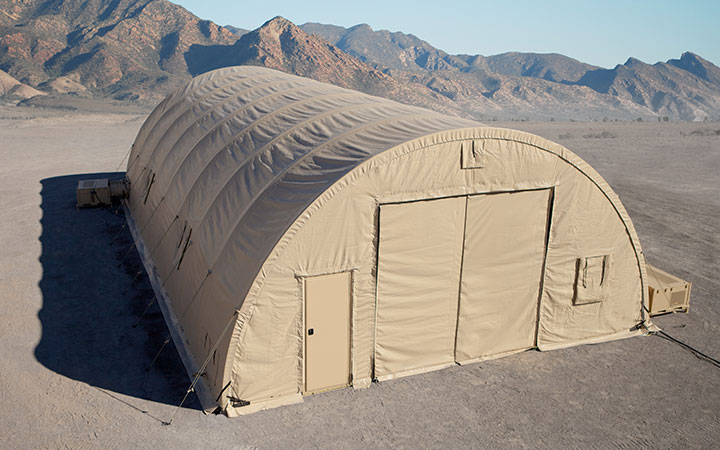
Choosing the right tent for an Alaskan adventure can be a daunting task, given the extreme weather conditions and diverse landscapes. Whether planning a summer hike or a winter expedition, the tent you select must withstand the unique challenges posed by the Alaskan wilderness. This guide will provide valuable insights into selecting the best alaska tents that offer durability, protection, and comfort.
Understanding Alaska”?s Unique Climate Challenges
Alaska’s weather can be unpredictable, ranging from sub-zero temperatures to heavy rain and snowfall. It’s essential to consider the following factors when selecting a tent:
- Temperature Extremes: Ensure the tent is suitable for both summer and winter conditions, with materials that provide adequate insulation.
- Wind Resistance: The tent should have a strong frame and a streamlined shape to withstand high winds.
- Waterproofing: Look for a tent with a high waterproof rating to keep you dry during heavy rain or melting snow.
Key Features to Look for in Alaska Tents
Material and Durability
The material of the tent plays a crucial role in its performance. Choose tents made of high-quality, tear-resistant fabric such as ripstop nylon or polyester. These materials are not only durable but also lightweight, making them ideal for trekking in the Alaskan terrain.
Design and Structure
The design of the tent should facilitate easy setup and stability. Consider the following design aspects:
- Geodesic or Dome Shape: These designs offer excellent wind resistance and stability.
- Double-Walled Construction: Provides better insulation and reduces condensation.
- Vestibule Space: Extra storage space is crucial for keeping gear dry and organized.
Considerations for Different Seasons
Summer Tents
For summer excursions, prioritize tents with excellent ventilation to prevent overheating. Mesh panels and vents are key features that enhance airflow, keeping the interior cool and comfortable.
Winter Tents
Alaska tents designed for winter should have robust insulation and sturdy frames to handle snow loads and icy conditions. Additionally, look for tents with a low profile to minimize wind exposure.
Additional Accessories and Tips
Enhance your camping experience with the right accessories:
- Footprints: Protect the tent floor from abrasions and moisture.
- Guy Lines: Stabilize the tent in windy conditions.
- Snow Stakes: Essential for securing the tent in snowy environments.
Before heading out, always test the tent setup at home to ensure all components are functional and familiarize yourself with the assembly process.
Conclusion
Choosing the best tent for an Alaskan adventure involves careful consideration of the climate, terrain, and personal comfort needs. By focusing on durable materials, thoughtful design, and season-specific features, adventurers can ensure a safe and enjoyable camping experience in one of the world”?s most beautiful yet challenging environments. For those seeking reliable alaska tents, exploring expert recommendations and customer reviews can further guide the decision-making process.