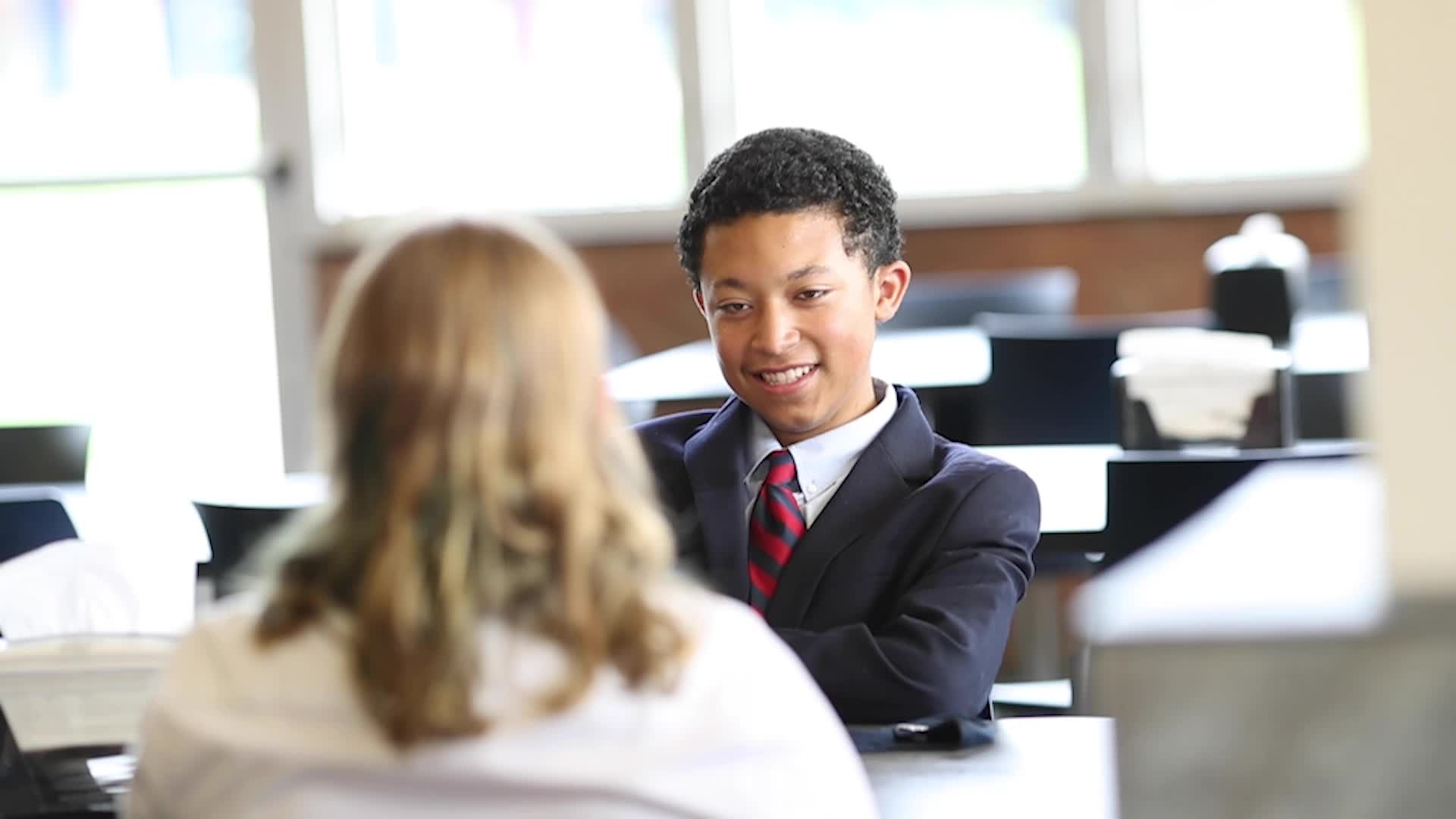
In today’s educational landscape, the emphasis on student confidence is paramount. Specialized learning schools have emerged as pivotal players in nurturing and enhancing this aspect of education. These institutions tailor their teaching methods to accommodate diverse learning needs, fostering a supportive environment where students can thrive. As students gain confidence in their abilities, they are more likely to engage actively in their education, pursue their interests, and develop a robust sense of self-worth. This article explores how specialized learning schools contribute to building student confidence, offering insights into their unique methodologies and the positive impact they have on students’ academic and personal growth.
Understanding Specialized Learning Schools
Specialized learning schools are institutions that focus on providing education tailored to the unique needs of students. These schools often cater to students who may not flourish in traditional educational settings due to learning differences or disabilities.
Key Features of Specialized Learning Schools
- Individualized Learning Plans: These schools create customized learning strategies to cater to the individual needs of each student.
- Supportive Environment: A nurturing and inclusive atmosphere is maintained to help students feel safe and valued.
- Expert Educators: Teachers are trained to handle diverse learning needs and employ innovative teaching methods.
To understand more about the significance of specialized learning schools, read more about this topic.
Building Confidence Through Customized Education
Confidence is a crucial component of a student’s success in school and beyond. Specialized learning schools place a strong emphasis on building this trait through several strategies:
Personalized Attention
Smaller class sizes allow educators to give personalized attention to each student, ensuring that they do not feel overlooked. This attention helps students recognize their own strengths and areas for improvement in a constructive manner.
Strength-Based Approach
- Focus on Strengths: By highlighting student strengths, these schools help students build a positive self-image and confidence.
- Encouragement of Talents: Students are encouraged to pursue their interests and talents, further boosting their self-assurance.
For more insights on how this approach empowers students, explore further insights here.
Role of Educators in Confidence Building
Educators in specialized learning schools play a crucial role in fostering a confident student body. They employ various techniques to encourage and motivate students:
Positive Reinforcement
Teachers frequently use positive reinforcement to acknowledge student achievements, no matter how small. This recognition helps students associate effort with success, bolstering their confidence in tackling more challenging tasks.
Constructive Feedback
- Feedback Mechanism: Constructive feedback focuses on improvement rather than criticism, promoting a growth mindset.
- Goal Setting: Collaboratively setting achievable goals with students helps them see their progress and build confidence.
Learn more in this detailed guide on the role of educators in specialized learning settings by finding additional information here.
The Impact of Confidence on Student Outcomes
Students who develop confidence through the supportive environment of specialized learning schools often experience numerous positive outcomes:
Enhanced Academic Performance
- Increased Engagement: Confident students are more likely to participate actively in class discussions and activities.
- Improved Grades: As students believe in their abilities, they tend to perform better academically.
Personal Growth and Development
- Self-Esteem: A strong sense of self-worth develops as students achieve their academic and personal goals.
- Social Skills: Confident students are more likely to engage in social interactions, building essential social skills.
To delve deeper into the impact of confidence on student outcomes, learn more here.