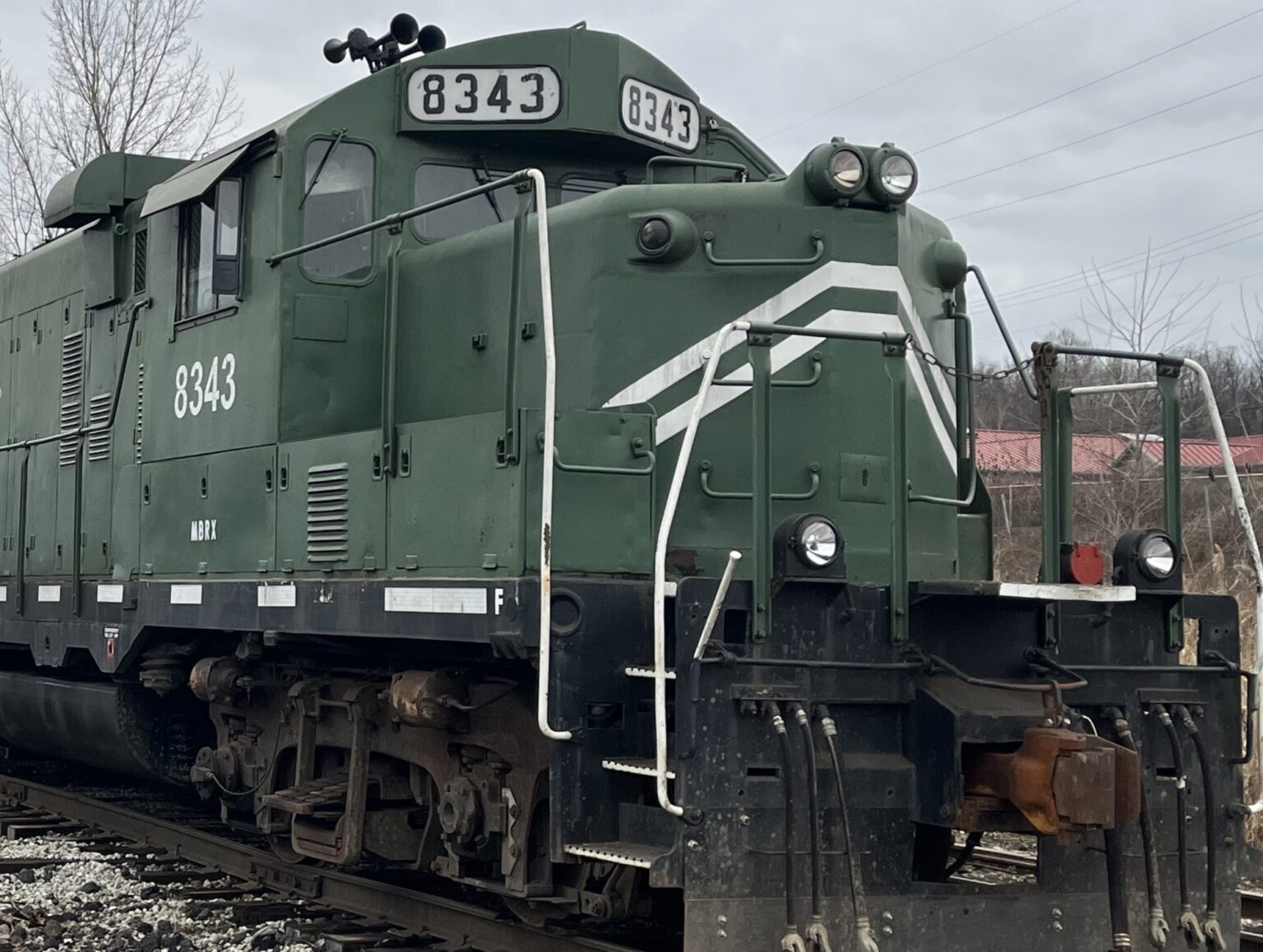
In the dynamic world of logistics, freight management plays a crucial role in ensuring the smooth movement of goods across various channels. Efficient freight management solutions are vital for optimizing operations, reducing costs, and maintaining a competitive edge in the market. By leveraging innovative technologies and strategic planning, businesses can streamline processes, enhance visibility, and improve overall supply chain efficiency. This article explores key strategies and tools that contribute to effective freight management.
Understanding Freight Management Challenges
Freight management encompasses multiple challenges that can hinder the seamless flow of goods. Key issues include:
- Complex supply chain networks with multiple stakeholders.
- Fluctuating transportation costs and fuel prices.
- Regulatory compliance and documentation requirements.
- Limited visibility and tracking of shipments.
Addressing these challenges requires a comprehensive approach that integrates technology and strategic planning. Learn more in this detailed guide about overcoming freight management obstacles.
Technological Solutions for Efficient Freight Management
Transportation Management Systems (TMS)
A Transportation Management System (TMS) is a key component in optimizing freight operations. It offers features such as:
- Route optimization to reduce transit times and costs.
- Carrier management for selecting the most efficient transport providers.
- Automated documentation to ensure compliance and reduce errors.
- Real-time tracking for enhanced visibility of shipments.
Implementing a TMS can significantly enhance the efficiency of freight management. Explore further insights here on how TMS solutions can transform logistics operations.
Data Analytics and Predictive Modeling
Data analytics plays a pivotal role in modern freight management by providing actionable insights. Predictive modeling helps in:
- Forecasting demand and optimizing inventory levels.
- Identifying potential disruptions and planning contingencies.
- Enhancing decision-making with data-driven strategies.
By harnessing the power of data, businesses can anticipate challenges and streamline their logistics processes. Find additional information here on the impact of data analytics in freight management.
Strategic Planning for Improved Freight Operations
Collaborative Partnerships
Building strong relationships with carriers, suppliers, and logistics partners is essential for effective freight management. Collaborative partnerships lead to:
- Enhanced communication and coordination across the supply chain.
- Improved service levels and customer satisfaction.
- Shared resources and cost efficiencies.
Strategic alliances can drive innovation and streamline freight operations. Read more about this topic to understand the benefits of collaboration in logistics.
Continuous Improvement Practices
Adopting a culture of continuous improvement ensures that freight operations remain efficient and adaptable. Key practices include:
- Regular process reviews and performance evaluations.
- Implementing feedback loops for ongoing enhancements.
- Investing in employee training and development.
Continuous improvement fosters innovation and resilience in freight management. Explore further insights here about implementing continuous improvement in logistics.
Efficient freight management is essential for businesses to thrive in a competitive market. By embracing technological solutions and strategic planning, organizations can overcome challenges and achieve operational excellence. As the logistics landscape evolves, staying ahead of trends and adopting innovative practices will be key to maintaining an edge in the industry.