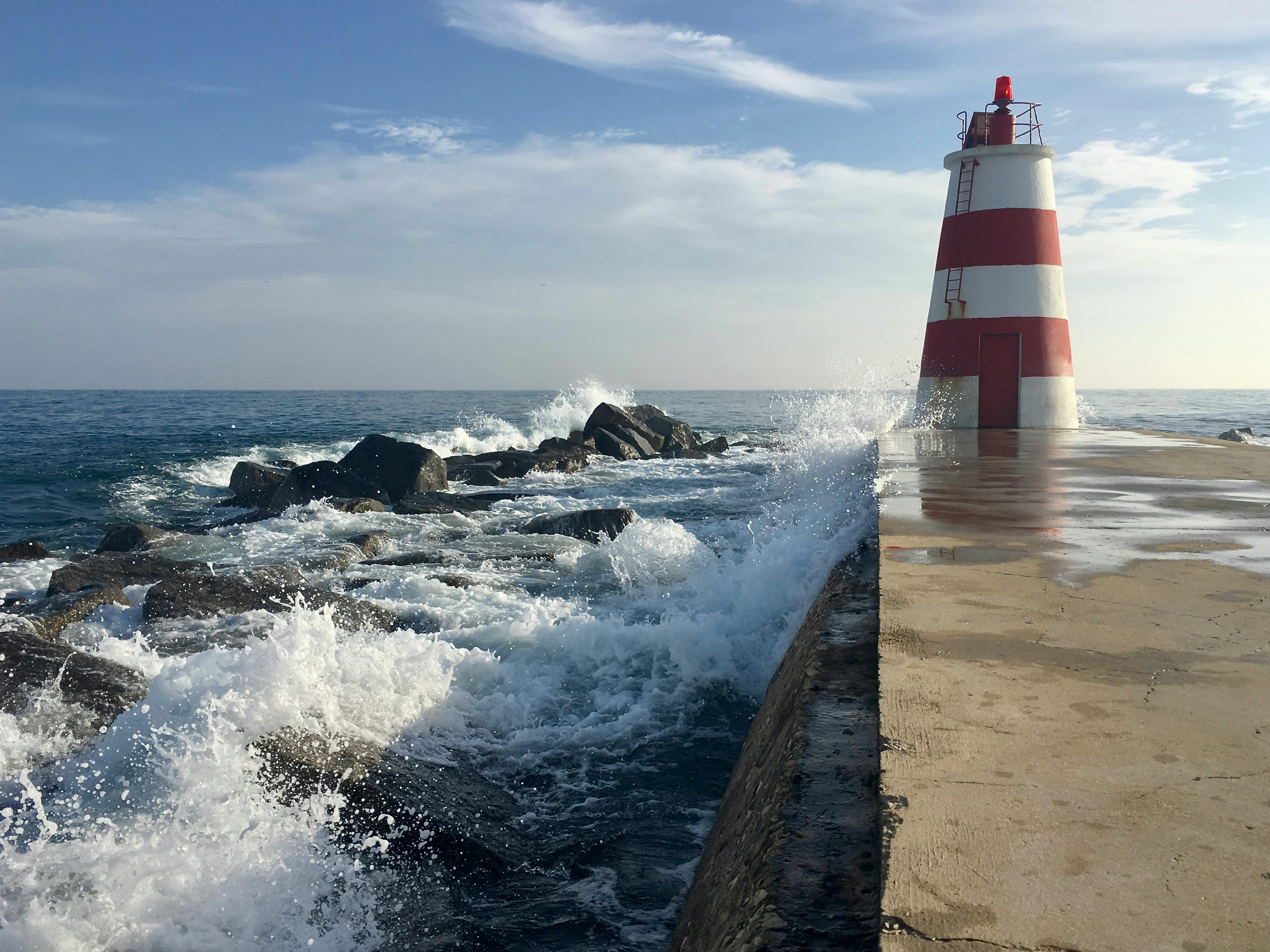
Seawalls play a crucial role in protecting coastal properties from the damaging effects of storms and erosion. These structures, often subjected to harsh environmental conditions, require regular inspection and maintenance to ensure their effectiveness and longevity. Proactive seawall inspection can help property owners stay ahead of potential storm damage by identifying vulnerabilities before they escalate into costly repairs. With the increasing frequency and intensity of storms, understanding the importance of regular seawall evaluation has never been more critical.
The Importance of Regular Seawall Inspections
Regular inspections are essential for maintaining the integrity of seawalls. They help in identifying issues like cracks, erosion, and material degradation early on, allowing for timely interventions. The benefits of regular seawall inspections include:
- Preventing costly repairs by addressing minor issues before they escalate.
- Ensuring the safety of coastal properties and inhabitants.
- Extending the lifespan of the seawall.
- Providing peace of mind to property owners during storm seasons.
For more detailed information on why regular inspections are vital, read more about this topic.
Key Components of a Seawall Inspection
Visual Assessment
The first step in a seawall inspection is a thorough visual assessment. This involves examining the structure for visible signs of damage such as cracks, spalling, or displacement. Inspectors also check for signs of erosion or vegetation growth, which can undermine the seawall’s foundation.
Structural Integrity Evaluation
This phase involves assessing the structural components of the seawall, including the materials used and the construction techniques employed. Inspectors may use specialized tools to test the strength and flexibility of materials to ensure they can withstand environmental pressures.
Environmental Impact Analysis
Understanding how the surrounding environment affects the seawall is crucial. This analysis looks at factors such as tidal patterns, wave action, and weather conditions. Such information helps in predicting future wear and tear on the seawall.
To explore further insights into these inspection components, learn more in this detailed guide.
Proactive Measures for Seawall Maintenance
After an inspection, taking proactive measures can significantly enhance the seawall’s durability. These measures include:
- Timely repairs of any identified damages to prevent further deterioration.
- Applying protective coatings to resist erosion and weathering.
- Regularly clearing debris and vegetation that could affect the seawall’s foundation.
- Installing drainage systems to manage water flow and reduce pressure on the wall.
Find additional information on proactive seawall maintenance here.
Conclusion
Staying ahead of storm damage through proactive seawall inspection and maintenance is an investment in the safety and longevity of coastal properties. By understanding the importance of regular inspections and implementing proactive maintenance strategies, property owners can mitigate the risks associated with severe weather events. Comprehensive resources are available to help property owners navigate these processes effectively. Explore further insights here to ensure your seawall remains a robust defense against nature’s forces.