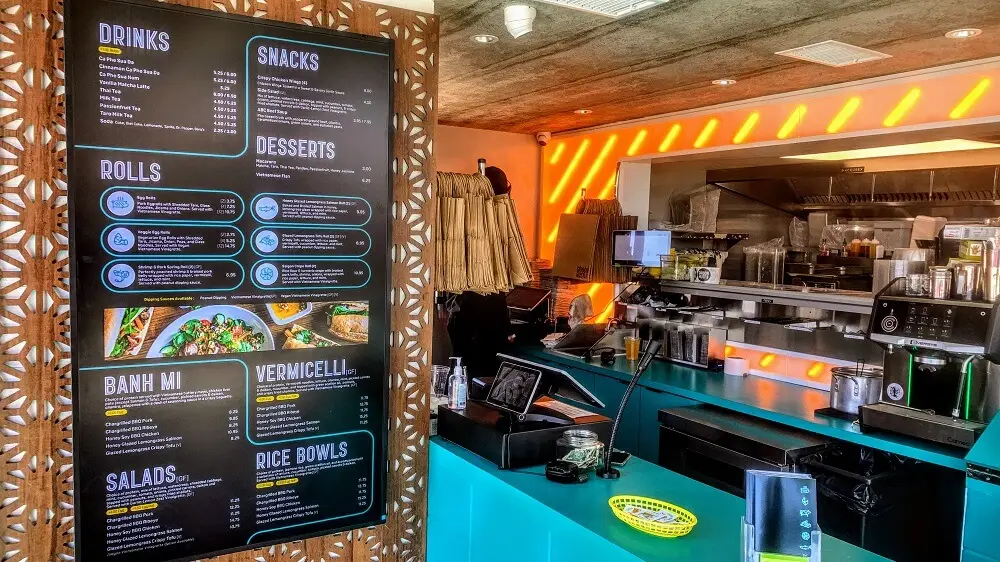
In the rapidly evolving world of the food and beverage industry, staying updated with the latest technological advancements is crucial for maintaining competitiveness. One significant innovation that has transformed how restaurants and cafes operate is the advent of electronic menu screens. These digital menus offer a streamlined, efficient way to update and display menu items, providing a host of benefits over traditional paper menus. As businesses strive to enhance customer experience and operational efficiency, electronic menu screens have emerged as a powerful tool to achieve these goals.
The Advantages of Electronic Menu Screens
Electronic menu screens bring a range of advantages that can help businesses stay ahead in the competitive food and beverage sector.
- Dynamic Content Updates: With electronic menus, updates can be made instantly, allowing for real-time changes to menu items, prices, and promotions. This flexibility is crucial for businesses that frequently adjust their offerings based on seasonal availability or customer preferences. Learn more in this detailed guide.
- Cost Efficiency: While the initial investment in digital displays may seem significant, the long-term savings are considerable. Businesses save on printing costs and can quickly make changes without reprinting menus. Explore further insights here.
- Enhanced Customer Engagement: Digital menus can incorporate engaging multimedia content, such as images and videos, to entice customers and provide a richer dining experience. Interactive features can also be added to allow customers to customize orders. Read more about this topic.
- Improved Accuracy: By eliminating manual updates, the risk of human error is reduced, ensuring that customers receive accurate information about menu items and prices. Find additional information here.
Implementing Electronic Menu Screens
Implementing electronic menu screens involves several key considerations to maximize their effectiveness.
Choosing the Right Hardware
Selecting the appropriate hardware is a critical step in implementing electronic menu screens. Consider factors such as screen size, resolution, and connectivity options. Touchscreen capabilities can further enhance interactivity, providing customers with a seamless and engaging experience. It is essential to choose durable and reliable hardware that can withstand the demands of a busy food service environment.
Software and Content Management
The software that powers electronic menu screens is equally important. Look for a content management system (CMS) that allows for easy updates and customization. The CMS should support various media formats and offer user-friendly interfaces for managing content across multiple locations if needed. Furthermore, consider software that provides analytics to track customer interactions and preferences, allowing for data-driven menu optimizations.
Challenges and Solutions
While electronic menu screens offer numerous benefits, there are potential challenges to consider.
- Initial Investment: The upfront cost of purchasing and installing digital displays can be a barrier for some businesses. However, the long-term savings and increased sales potential often justify the investment.
- Technical Issues: Like any technology, electronic menu screens can encounter technical issues. It is vital to have a support system in place to address these promptly to minimize downtime.
- Training Staff: Ensuring that staff are comfortable and proficient in using the new system is essential. Provide comprehensive training and resources to facilitate a smooth transition. Learn more in this detailed guide.
The Future of Dining with Digital Menus
As technology continues to advance, the potential applications of electronic menu screens will expand. Integration with mobile devices and personalized customer experiences are on the horizon, offering exciting possibilities for the future of dining. By adopting electronic menu screens, businesses can enhance their operational efficiency, offer superior customer experiences, and stay competitive in a rapidly changing market. Explore further insights here.