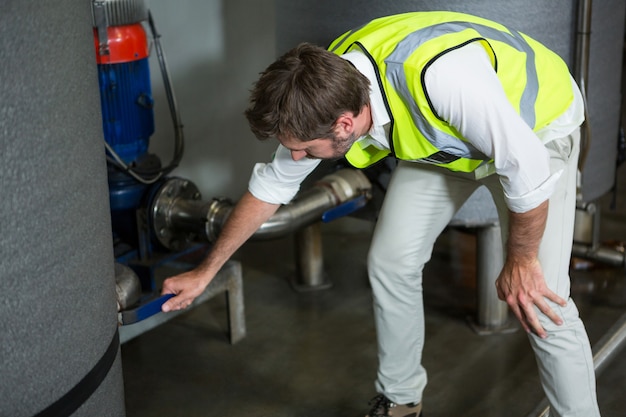
Mold is a common issue that many homeowners face, often arising from excess moisture due to leaks, floods, or high humidity. The presence of mold not only affects the structural integrity of a building but can also pose significant health risks to its occupants. Professional mold removal services provide an effective solution to address such concerns. When seeking expert assistance, finding reliable and experienced professionals nearby is crucial to ensure the safety and well-being of both the property and its residents.
Understanding Mold and Its Impact
Mold is a type of fungus that thrives in damp environments. It can grow on a variety of surfaces, including walls, ceilings, and floors, and can often go unnoticed until it becomes a serious problem. The implications of mold infestation include:
- Health concerns such as allergies, respiratory issues, and skin irritations.
- Structural damage to buildings, leading to costly repairs.
- Aesthetic damage that can decrease property value.
For those interested in understanding more about the detrimental effects of mold and the importance of professional intervention, discover expert strategies here.
Choosing the Right Professional Mold Removal Service
Key Factors to Consider
When selecting a mold removal service, it is important to consider several key factors to ensure effective remediation:
- Certification and Licensing: Ensure the company holds relevant certifications and licenses to perform mold remediation.
- Experience: Choose a provider with extensive experience in dealing with various types of mold infestations.
- Reputation: Look for positive reviews and testimonials from previous clients.
- Techniques and Equipment: The use of advanced techniques and equipment can significantly impact the quality of mold removal.
- Customer Service: A responsive and professional customer service team is essential for a smooth and satisfactory experience.
For those looking to delve deeper into the selection process of mold removal experts, learn about our tailored solutions.
The Mold Removal Process
Steps Involved in Professional Remediation
Understanding the mold removal process can help in assessing the efficiency of a service provider. Typically, a comprehensive mold removal process involves:
- Inspection and Assessment: Professionals conduct a thorough inspection to identify mold types and the extent of contamination.
- Containment: To prevent the spread of mold, affected areas are isolated using physical barriers and negative air pressure.
- Air Filtration: High-efficiency air filters are used to capture mold spores from the air.
- Removal of Mold and Mold-Infested Materials: Experts remove mold using specialized techniques and dispose of contaminated materials safely.
- Cleaning and Sanitizing: Surfaces are cleaned and sanitized to eliminate any remaining mold spores.
- Restoration: The final step involves repairing any damage caused during the removal process.
To explore advanced guides and tips on the mold removal process, explore advanced guides and tips.
Preventive Measures Against Mold
Apart from remediation, adopting preventive measures can significantly reduce the likelihood of mold reoccurrence. Some effective steps include:
- Maintaining optimal humidity levels within the home.
- Ensuring proper ventilation in high moisture areas like bathrooms and kitchens.
- Fixing leaks promptly to prevent water accumulation.
- Using mold-resistant products during construction or renovation.
For more insights on prevention and maintenance, find out more about this approach.
In conclusion, professional mold removal services play a vital role in safeguarding health and property. By understanding the intricacies of mold remediation and selecting the right service provider, homeowners can effectively tackle mold issues and maintain a safe living environment.