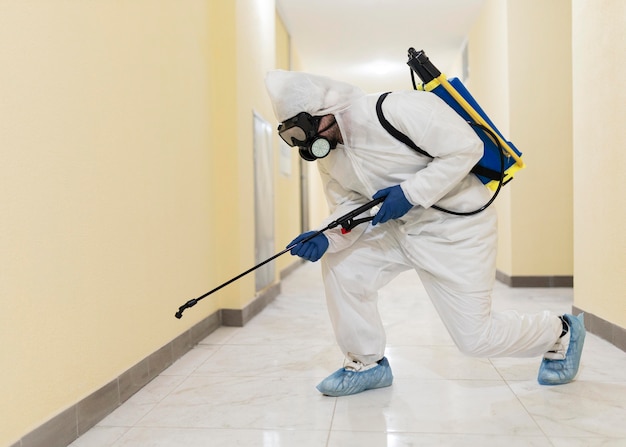
Mold damage can pose serious health risks and structural issues if not addressed promptly and effectively. Engaging in professional mold damage repair services ensures that all affected areas are treated with the utmost care and efficiency. These services are designed to provide comprehensive solutions, utilizing advanced techniques and technology to restore safety and comfort to homes and businesses. Understanding the intricacies of mold growth and the importance of tailored remediation strategies is essential for anyone dealing with mold issues.
Understanding Mold Damage
Mold thrives in environments with excessive moisture and can quickly spread, causing extensive damage. Recognizing the signs of mold damage early is crucial to preventing further deterioration. Common indicators include:
- Visible mold growth on walls, ceilings, or floors
- Musty odors indicative of mold presence
- Increased allergy symptoms such as sneezing and watery eyes
- Discoloration and staining on surfaces
Strategies for Mold Removal
Effective mold removal requires a systematic approach. Professionals employ a range of strategies to ensure thorough remediation:
Inspection and Assessment
The first step involves a detailed inspection to identify the extent of mold damage. This is critical for developing a targeted plan of action. Discover expert strategies here.
Containment
To prevent cross-contamination, affected areas are isolated using physical barriers. This step is essential in controlling mold spores and protecting unaffected areas.
Air Filtration
High-efficiency particulate air (HEPA) filtration systems are employed to capture mold spores from the air, significantly improving indoor air quality during the remediation process. Learn about our tailored solutions.
Remediation Techniques
Once containment and air filtration are in place, the focus shifts to removing mold and restoring the affected areas:
- Physical removal of mold from surfaces
- Application of antifungal and antimicrobial treatments
- Repairing or replacing damaged materials
Advanced techniques can also include dry ice blasting and other specialized cleaning methods tailored to specific scenarios. Explore advanced guides and tips.
Post-Remediation Verification
After remediation, thorough checks are conducted to ensure the effectiveness of the cleanup. This may involve:
- Visual inspections for any remaining mold
- Moisture readings to confirm environmental stability
- Air quality tests to ensure all mold spores have been removed
These steps are crucial in providing peace of mind and ensuring the longevity of the repairs. Find out more about this approach.
Preventative Measures
To prevent future mold growth, it is important to address the root causes. Key preventative measures include:
- Ensuring proper ventilation in high-moisture areas
- Regularly maintaining HVAC systems
- Addressing leaks and water damage promptly
Implementing these strategies helps maintain a healthy and mold-free environment, reducing the risk of recurrence and safeguarding structural integrity.