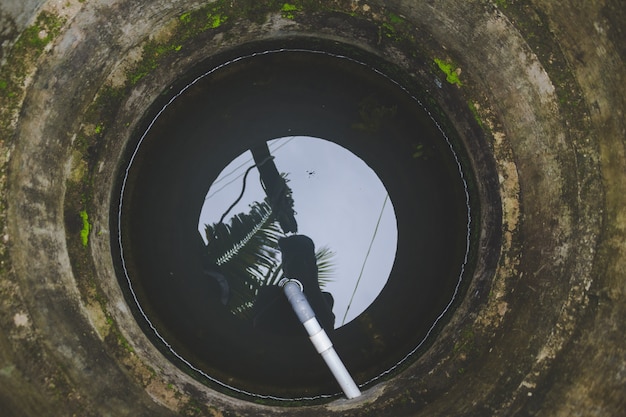
Proper septic tank care is essential for maintaining the health and efficiency of your home’s wastewater management system. A well-maintained septic system not only protects the environment but also saves homeowners from costly repairs. Understanding the key steps involved in septic tank maintenance can make a significant difference in the longevity and performance of the system. This guide outlines crucial measures for effective septic tank care, helping homeowners ensure their systems function optimally.
Understanding Your Septic System
Before delving into maintenance practices, it is crucial to understand the components and workings of a septic system. Typically, a septic system consists of a septic tank and a drainfield. Wastewater from the home flows into the tank, where solids settle at the bottom, and liquids flow into the drainfield for further treatment.
Components of a Septic System
- Septic Tank: Collects and partially treats household wastewater.
- Drainfield: Distributes liquid waste across a designated area for further purification.
- Pipes: Transport wastewater from the home to the septic tank and from the tank to the drainfield.
Regular Maintenance Practices
Regular maintenance is crucial to prevent system failures. Routine tasks include inspection, pumping, and cautious usage of the system.
Inspection and Pumping
- Inspect and pump the septic tank every three to five years, depending on usage.
- Regular inspections can help identify potential issues early, preventing major problems.
- Hire certified professionals for septic sewer maintenance to ensure comprehensive care.
Water Conservation
Excessive water use can overload the septic system. Implementing water conservation measures can help maintain system balance.
- Fix leaks promptly to prevent unnecessary water flow into the system.
- Install high-efficiency toilets and showerheads to minimize water usage.
- Spread laundry over several days instead of doing it all in one day.
Safe Waste Disposal
Proper waste disposal is critical to maintaining a healthy septic system. Avoid flushing or pouring harmful substances into the system.
What Not to Flush or Pour
- Avoid flushing non-degradable items such as wipes, diapers, and sanitary products.
- Do not pour chemicals, oils, or medications down the drain.
- Use septic-safe products and avoid harsh cleaning chemicals.
Monitoring the Drainfield
The drainfield is a vital part of the septic system. Ensuring its proper function is necessary for effective wastewater treatment.
Protecting the Drainfield
- Avoid parking or driving on the drainfield to prevent soil compaction.
- Plant only grass over the drainfield to avoid root damage.
- Keep stormwater drainage systems away from the drainfield area.
Conclusion
Adhering to these key steps for septic tank maintenance will contribute significantly to the system’s efficiency and longevity. Regular inspections, cautious water use, proper waste disposal, and drainfield protection are essential practices for homeowners. By following these guidelines, one can ensure the septic system operates smoothly, safeguarding both the environment and the household.