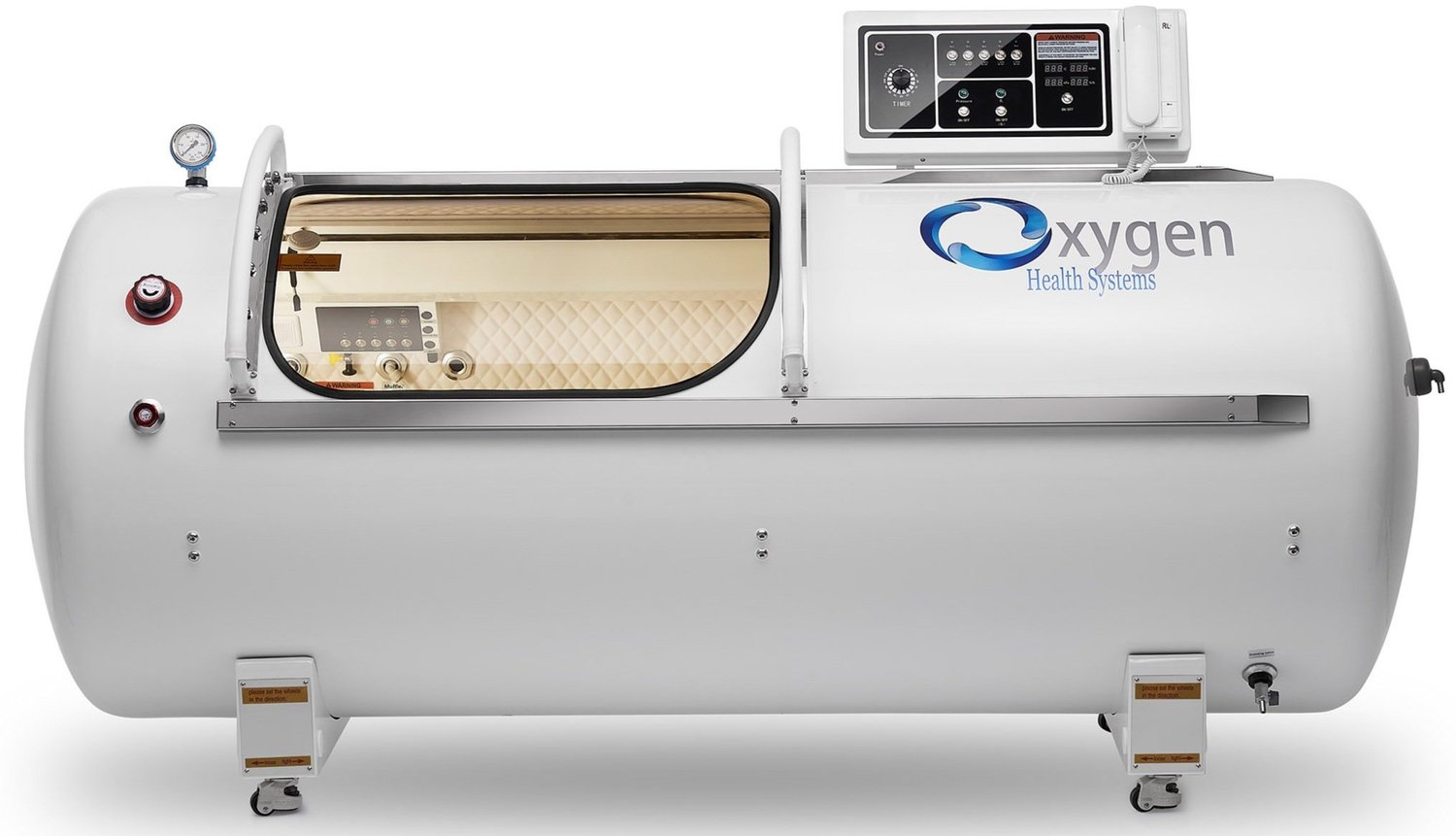
Hyperbaric Oxygen Therapy (HBOT) is increasingly being recognized as a promising treatment for a variety of neurological disorders. This non-invasive therapy involves breathing pure oxygen in a pressurized room or chamber, which enhances the body’s natural healing process. The potential benefits of HBOT for neurological conditions are being actively explored, offering hope for individuals seeking alternative therapies to improve their quality of life. In this comprehensive guide, we delve into the applications, benefits, and considerations of HBOT for neurological disorders, providing valuable insights into its role in modern healthcare.
Understanding Hyperbaric Oxygen Therapy
What is HBOT?
Hyperbaric Oxygen Therapy is a medical treatment that involves the use of high-pressure oxygen to promote healing. During a session, patients breathe 100% oxygen in a chamber where the atmospheric pressure is increased to more than twice the normal level. This process increases the amount of oxygen dissolved in the blood, which can accelerate the healing of tissues and reduce inflammation.
Mechanism of Action
The therapeutic effects of HBOT are primarily due to the enhanced oxygen delivery to tissues. This increased oxygenation supports cellular metabolism and repair, reduces edema, and can have anti-inflammatory effects. Additionally, HBOT is believed to stimulate the release of growth factors and stem cells, promoting further healing.
Applications in Neurological Disorders
HBOT has shown potential benefits in treating various neurological conditions, including but not limited to:
- Traumatic Brain Injury (TBI)
- Stroke
- Multiple Sclerosis (MS)
- Cerebral Palsy
- Autism Spectrum Disorders
Each of these conditions can benefit from the enhanced oxygenation and healing properties provided by HBOT. For instance, in cases of stroke, increased oxygen levels can help reduce brain tissue damage and promote neuroplasticity.
Benefits of HBOT for Neurological Disorders
Improved Recovery and Function
HBOT can significantly enhance the recovery process in patients with neurological disorders by promoting quicker healing of damaged tissues and improving neurological functions. This therapy has been shown to improve cognitive and motor functions in many patients, offering a potential pathway to enhanced quality of life.
Reduced Inflammation and Pain
Inflammation is a common issue in many neurological disorders. By reducing inflammation, HBOT helps decrease pain and discomfort, making it easier for patients to engage in rehabilitation and other therapeutic activities.
Safety and Efficacy
HBOT is generally considered safe when performed under professional supervision. However, as with any medical treatment, it is crucial to consult healthcare professionals to ensure it is appropriate for individual conditions. Discover expert strategies here for determining if HBOT is a suitable option for specific neurological conditions.
Considerations for HBOT
Eligibility and Suitability
Not all patients are suitable candidates for HBOT. Conditions such as untreated pneumothorax or certain types of lung diseases may contraindicate its use. It is essential for patients to undergo a thorough medical evaluation to determine their eligibility for HBOT.
Cost and Accessibility
The cost of HBOT can vary depending on the location and the number of sessions required. While some insurance plans may cover HBOT for specific conditions, coverage can be limited. Patients should inquire about coverage options and explore potential financial assistance programs. Learn about our tailored solutions for accessing HBOT services.
Conclusion
Hyperbaric Oxygen Therapy offers a promising avenue for supporting the treatment of various neurological disorders. By enhancing the body’s healing processes and reducing inflammation, HBOT can improve recovery and quality of life for affected individuals. As research continues to unfold, the applications of HBOT in neurology are likely to expand, offering hope and healing to many. Explore advanced guides and tips to stay informed about the latest developments in HBOT for neurological conditions.