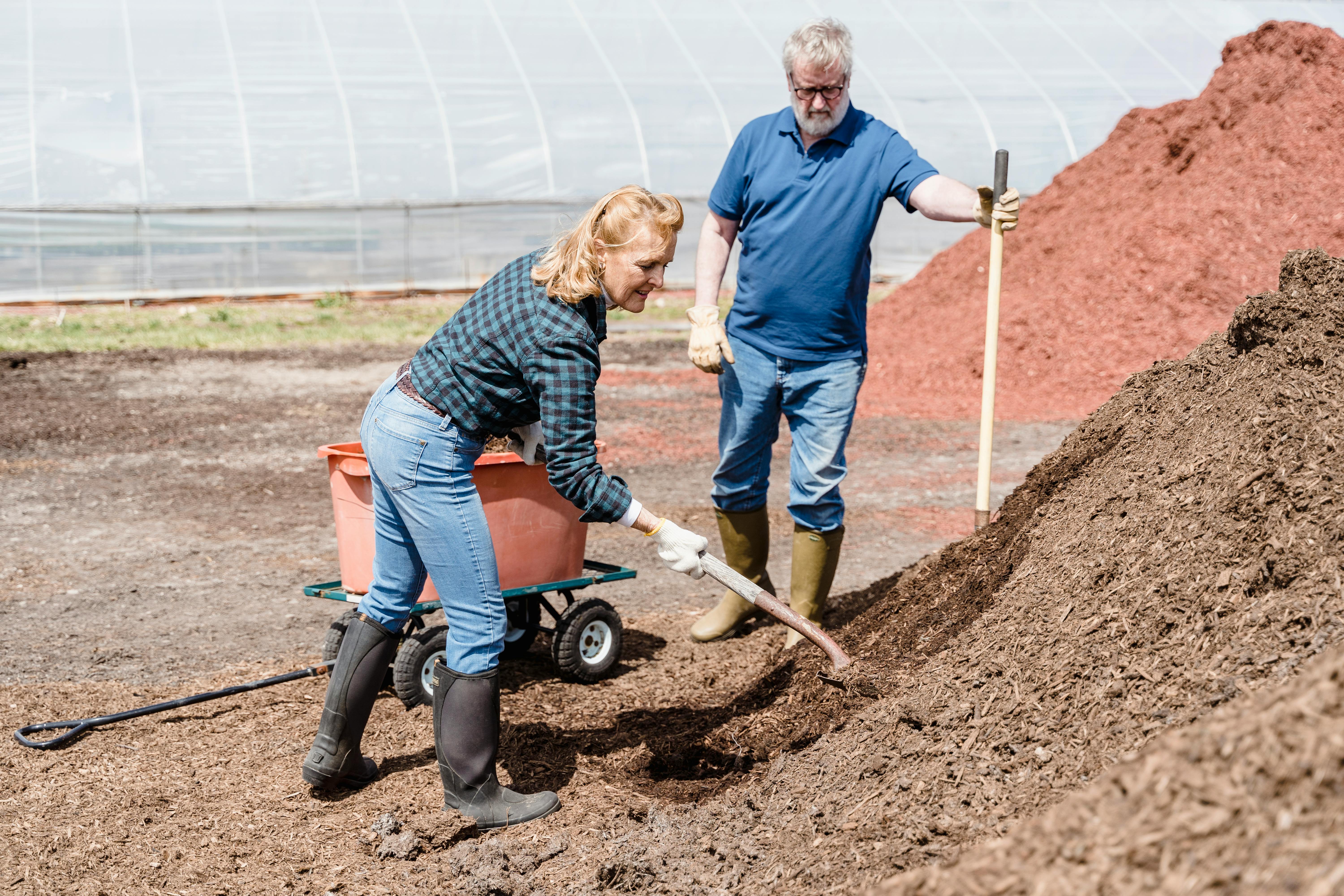
Choosing the right arborist mulch for your trees is an essential aspect of tree care that can significantly impact their health and longevity. Arborist mulch not only helps in retaining moisture but also improves soil health and suppresses weeds, making it a valuable asset for any garden or landscape. This article explores the factors to consider when selecting the best arborist mulch, ensuring that your trees thrive in their environment.
Understanding Arborist Mulch
Arborist mulch, often composed of organic materials such as wood chips and bark, is a byproduct of tree maintenance activities. It is an eco-friendly option that recycles natural waste and enhances soil quality. When choosing the best mulch, it is crucial to consider the specific needs of your trees and the environment in which they are planted.
Benefits of Arborist Mulch
- Retains soil moisture, reducing the need for frequent watering.
- Suppresses weed growth, minimizing competition for nutrients.
- Regulates soil temperature, protecting roots from extreme weather conditions.
- Enhances soil structure and fertility as it decomposes.
Factors to Consider When Choosing Arborist Mulch
Tree Species and Size
Different tree species have varying requirements, and the size of the tree also plays a crucial role in determining the type of mulch to use. Larger trees may require a thicker layer of mulch to effectively cover the root zone. Discover expert strategies here to match mulch types with specific tree species.
Climate and Soil Conditions
The local climate and soil conditions must be considered when selecting mulch. In areas prone to heavy rainfall, well-draining mulch is essential to prevent waterlogging. Conversely, in drier regions, a mulch that retains moisture would be more beneficial. Learn about our tailored solutions to adapt mulch choices based on environmental conditions.
Mulch Composition
The composition of the mulch affects its decomposition rate and nutrient contribution to the soil. Organic mulches like aged arborist mulch are preferred for their ability to slowly release nutrients as they decompose. Ensure the mulch is free from contaminants and toxic materials. Explore advanced guides and tips on selecting high-quality mulch.
Application Techniques
Proper application techniques are critical to maximizing the benefits of arborist mulch. Here are some key considerations:
- Apply mulch to a depth of 2-4 inches around the base of the tree, extending to the drip line.
- Avoid piling mulch directly against the tree trunk to prevent rot and pest infestations.
- Regularly refresh the mulch layer to maintain its effectiveness.
Find out more about this approach and how to apply arborist mulch effectively by visiting the relevant resources.
Conclusion
Choosing the right arborist mulch is a nuanced process that requires consideration of various factors, including tree species, climate, and mulch composition. By understanding these elements and applying the mulch correctly, tree health can be significantly enhanced. For more in-depth information and resources on arborist mulch, explore advanced guides and tips that can help you make informed decisions.