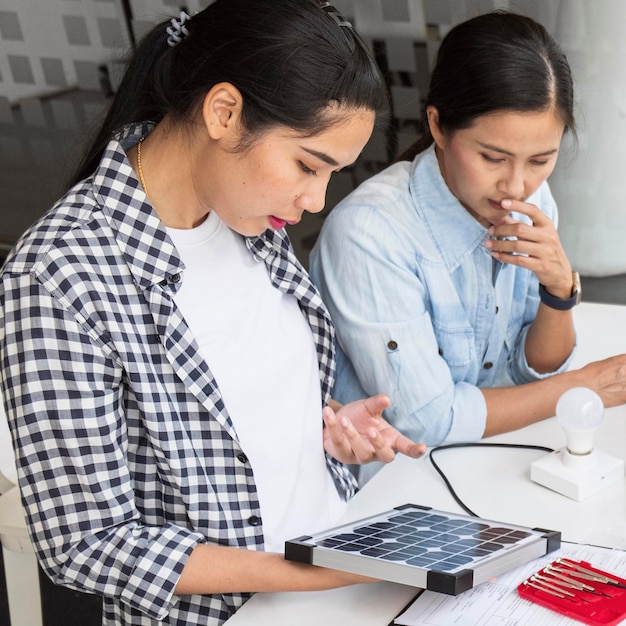
Solar panel inspections are a crucial part of maintaining the efficiency and longevity of solar energy systems. Regular inspections can help identify potential issues before they escalate into costly repairs, ensuring that the solar panels operate at their maximum potential. Effective inspections require a blend of expertise, attention to detail, and a systematic approach. For those looking to optimize their solar panel performance, understanding the intricacies of a proper inspection is essential.
Understanding the Need for Solar Panel Inspections
The primary goal of solar panel inspections is to ensure that the panels are functioning optimally and safely. Regular inspections help in:
- Detecting physical damage such as cracks or scratches.
- Identifying electrical issues which might affect efficiency.
- Ensuring that the mounting systems are secure and stable.
- Checking for any shading issues that could impede performance.
For a comprehensive guide on solar panel inspections, discover expert strategies here.
Key Components of an Effective Inspection
Visual Inspection
A thorough visual inspection involves checking for signs of physical damage, dirt accumulation, and any anomalies on the surface of the panels. Look for:
- Cracks or chips on the panel surface.
- Discoloration or hotspots indicating potential overheating.
- Excessive dirt or debris that may block sunlight.
Explore advanced guides and tips for conducting detailed visual inspections.
Electrical Testing
Electrical testing is vital to ensure that the solar panels are operating efficiently. This involves:
- Using a multimeter to check the panel’s output voltage and current.
- Inspecting the inverter for any error codes or issues.
- Ensuring all electrical connections are secure and corrosion-free.
To learn more about tailored solutions for electrical testing, learn about our tailored solutions.
Utilizing Advanced Technology
Incorporating advanced technology can significantly enhance the accuracy and efficiency of solar panel inspections. Some cutting-edge tools include:
- Thermal Imaging Cameras: These are excellent for detecting hotspots and potential failures in the panels.
- Drones: Useful for inspecting large-scale solar installations for an aerial view of the panels.
- Performance Monitoring Systems: Real-time data analysis can help in quickly identifying performance issues.
Find out more about this approach to integrating technology into inspections.
Customer Feedback and Reviews
Understanding customer experiences can provide valuable insights into the effectiveness of solar panel inspections. Check out customer reviews here to see what others are saying about us and how these inspections have made a difference.