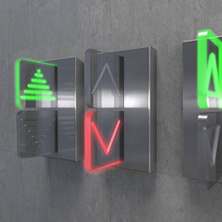
Installing lift fixtures is a critical task that requires careful consideration of several factors to ensure functionality, safety, and aesthetic appeal. Whether upgrading an existing system or setting up a new one, the choice of fixtures can significantly impact the user experience and overall performance of the lift. This article delves into the essential factors to consider when installing lift fixtures, providing a comprehensive guide to making informed decisions.
Safety Features
Safety is the paramount concern when installing lift fixtures. Ensuring that the fixtures comply with current safety regulations and standards is crucial. Consider the following safety features:
- Emergency Communication Systems: Install fixtures that support emergency communication devices, allowing users to contact help in case of an emergency.
- Fire Safety Compliance: Ensure that fixtures are made from fire-resistant materials and integrate fire detection systems.
- Anti-slip Surfaces: Choose fixtures with anti-slip properties to prevent accidents within the lift.
Durability and Material Selection
The materials used in lift fixtures affect both the durability and the maintenance requirements. It is essential to select materials that can withstand daily wear and tear while maintaining their aesthetic appeal:
- Stainless Steel: Known for its strength and resistance to corrosion, making it an ideal choice for high-traffic areas.
- Tempered Glass: Offers a modern look while providing durability and safety.
- Polymers: Lightweight and resistant to impact, polymers can be a cost-effective option for certain components.
Design and Aesthetic Considerations
The design of the lift fixtures should complement the overall architectural style of the building. It is important to balance functionality with aesthetic appeal:
- Customization Options: Look for fixtures that offer customization to match the building’s interior design.
- Lighting Fixtures: Consider the integration of LED lighting to enhance visibility and add a modern touch.
- Control Panel Layout: A user-friendly design is crucial for efficient operation and accessibility.
Technological Integration
Modern lift fixtures often incorporate advanced technologies to enhance efficiency and user experience. Consider the following technological features:
- Touchscreen Panels: Provide an intuitive and interactive user interface.
- Energy-efficient Systems: Use fixtures that support energy-saving technologies to reduce operational costs.
- Smart Connectivity: Incorporate fixtures that can be integrated with building management systems for better control and monitoring.
Cost Considerations
The cost of lift fixtures can vary widely based on the materials, features, and brand. To manage costs effectively:
- Set a realistic budget that accounts for both initial installation and long-term maintenance.
- Evaluate the cost-benefit ratio of advanced features and opt for those that provide tangible benefits.
- Consider the total cost of ownership, including energy consumption and potential repair costs.
Regulatory Compliance
Ensuring that the lift fixtures comply with local and international regulations is essential to avoid legal issues and ensure user safety:
- Stay informed about the latest safety standards and regulations specific to lift installations.
- Consult with experts to verify that all fixtures meet necessary compliance requirements.
- Regularly update fixtures to align with any changes in regulations.
Conclusion
Choosing the right lift fixtures involves a careful evaluation of safety, durability, design, technology, cost, and regulatory compliance. By considering these essential factors, one can ensure that the selected fixtures enhance the functionality and safety of the lift while aligning with the building’s aesthetics and operational requirements. For more detailed information on available options, explore various lift fixtures to find the best fit for specific needs.