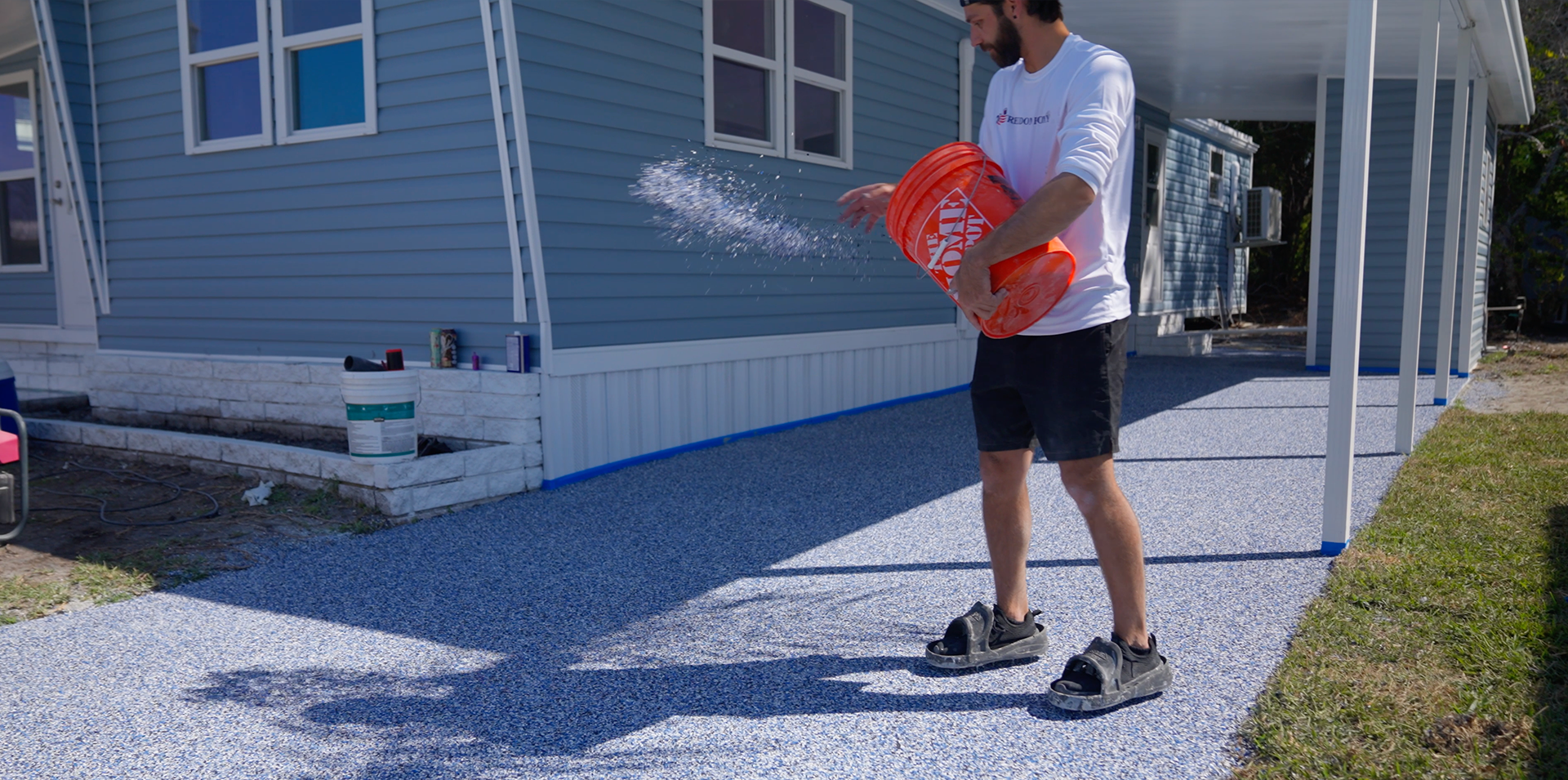
Epoxy floors are renowned for their durability, aesthetic appeal, and resistance to wear and tear. However, over time, even the most robust epoxy flooring can exhibit signs of damage. Cracks, chips, and flaking can mar the otherwise flawless surface, necessitating timely repair to restore its pristine condition. Repairing epoxy floors not only revitalizes the space but also extends the lifespan of the flooring. Understanding the repair process and knowing when and how to intervene is crucial for maintaining a polished and durable floor.
Identifying Common Epoxy Floor Issues
Before embarking on any repair journey, it is essential to recognize the common issues that can arise with epoxy flooring. These include:
- Cracking: Often due to improper installation or substrate movement.
- Chipping: High-impact force or heavy objects can cause chips on the surface.
- Flaking: Typically results from poor adhesion or moisture trapped beneath the surface.
- Discoloration: Exposure to UV light can cause yellowing or fading.
Steps to Repair Epoxy Floors
Assessing the Damage
The first essential step in repairing epoxy floors is assessing the extent of the damage. A thorough inspection will determine the appropriate repair method and the materials required. For detailed inspection techniques, discover expert strategies here.
Preparation
Proper preparation ensures successful repair. This involves:
- Cleaning: Remove all dirt and debris from the damaged area.
- Sanding: Smooth out the edges of cracks or chips to ensure better adhesion.
- Moisture Check: Ensure the surface is dry to prevent future flaking.
Repairing the Surface
Depending on the type of damage, different repair techniques can be employed:
- Filling Cracks and Chips: Use a high-quality epoxy filler to mend these imperfections. For an in-depth guide, explore advanced guides and tips.
- Re-coating Flaked Areas: Apply a fresh layer of epoxy to restore the finish.
- Addressing Discoloration: UV-resistant topcoats can rejuvenate faded surfaces.
Preventive Measures for Long-Lasting Epoxy Floors
Post-repair, implementing preventive measures can minimize future damage. Consider these strategies:
- Regular Maintenance: Routine cleaning can prevent the build-up of dirt and debris that can cause abrasion.
- Protective Mats: Place mats in high-traffic areas to reduce wear.
- UV Protection: Install blinds or UV filters in areas exposed to direct sunlight.
For additional preventive tips, learn about our tailored solutions.
The Importance of Professional Assistance
While minor repairs can often be handled independently, significant damage or large-scale repairs might require professional intervention. Professionals bring expertise and advanced tools to ensure a seamless repair process. Find out more about this approach.
In conclusion, maintaining the integrity and appearance of epoxy floors requires timely repairs and preventive measures. Understanding the types of damage and appropriate repair techniques can significantly enhance the longevity and aesthetic appeal of epoxy flooring. By staying informed and proactive, spaces can remain both functional and visually appealing.