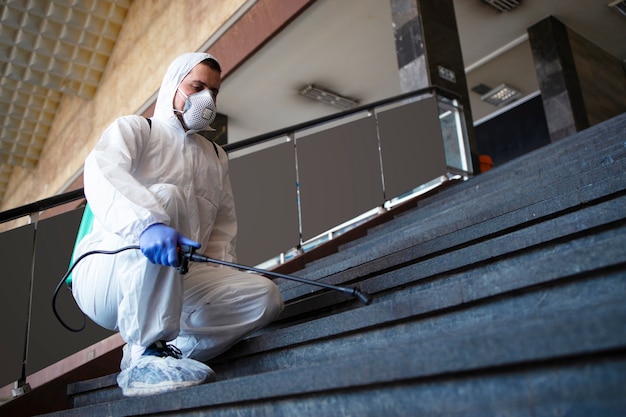
Ensuring the quality of indoor air is crucial for maintaining a healthy living environment, especially in regions with high humidity levels like Nashua. Mold can compromise air quality and pose health risks, making mold testing services an essential consideration for homeowners and businesses. This article delves into the intricacies of mold testing in Nashua, offering insights into its importance and the processes involved.
Understanding the Importance of Mold Testing
Mold, a type of fungus, thrives in damp environments and can become a persistent problem if not addressed. It can lead to a variety of health issues, such as allergic reactions, respiratory problems, and other serious conditions. Mold testing is a proactive measure to identify mold presence and ascertain the type and concentration of mold spores in the air.
Why is Mold Testing Essential?
- Ensures a healthy indoor environment by identifying mold before it becomes a larger issue.
- Helps in determining the extent of mold infestation and the specific type of mold present.
- Guides in formulating an effective mold remediation strategy.
- Provides peace of mind by ensuring compliance with health and safety standards.
For those seeking expert advice on mold-related concerns, discover expert strategies here to enhance indoor air quality effectively.
Mold Testing Processes Explained
Mold testing involves several steps, each critical to obtaining accurate and actionable results. Understanding these processes can help property owners make informed decisions regarding maintaining air quality.
Inspection and Sampling
The initial phase of mold testing is a thorough inspection of the premises. Professionals look for visible signs of mold and moisture sources, which can include leaks or inadequate ventilation. Sampling methods may include:
- Air Sampling: Captures airborne mold spores to assess the concentration and types of mold present in the air.
- Surface Sampling: Involves collecting samples from surfaces where mold growth is visible.
- Bulk Sampling: Entails removing materials from a contaminated area to analyze mold presence.
For a detailed understanding of these processes, learn about our tailored solutions that cater to specific environmental conditions.
Laboratory Analysis
Once samples are collected, they are sent to a laboratory for analysis. Experts identify the mold species and assess the concentration levels. This data is crucial in determining the potential health risks and the necessary remediation steps.
Laboratory results are typically accompanied by a comprehensive report that guides property owners in mitigating mold issues. Explore advanced guides and tips to interpret these reports effectively.
Post-Testing: What Comes Next?
After mold testing, the next steps involve addressing the identified issues to prevent further mold growth. This often includes remediation and ongoing monitoring.
Mold Remediation
Based on the test results, a tailored mold remediation plan is developed. This may involve:
- Repairing leaks and improving ventilation to eliminate moisture sources.
- Removing and properly disposing of contaminated materials.
- Cleaning and treating affected areas with mold-inhibiting products.
To see how these methods can be applied in various scenarios, find out more about this approach and ensure long-term air quality improvement.
Continuous Monitoring
After remediation, continuous monitoring is crucial to ensure the effectiveness of the measures taken and to prevent mold recurrence. Regular inspections and tests can be scheduled to maintain a mold-free environment.
For ongoing strategies and support, explore advanced guides and tips tailored to maintaining indoor air quality.
In summary, mold testing in Nashua is a vital service that safeguards health by ensuring clean air. By understanding the testing processes and subsequent actions, property owners can effectively manage mold and maintain a healthy living space.