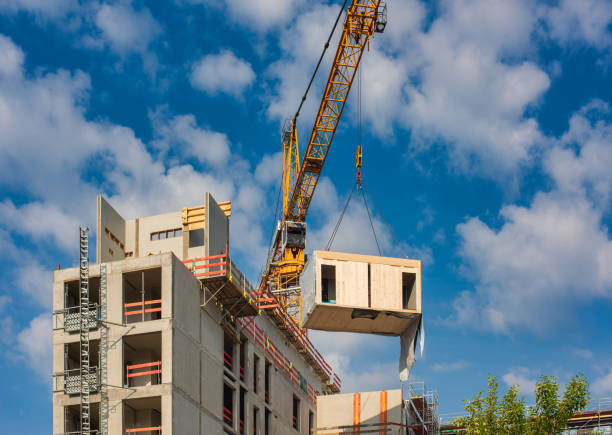
As the need for sustainable and cost-effective housing solutions grows, modular house construction emerges as a leading choice for modern homeowners and developers. This innovative approach to building offers numerous advantages over traditional construction methods. By leveraging pre-fabricated modules, builders can ensure faster completion times, reduced costs, and minimized environmental impact. The following sections delve into the core benefits and processes involved in modular house construction, highlighting why it is becoming an increasingly popular option in the housing industry.
Understanding Modular House Construction
Modular house construction involves creating sections of a building, known as modules, in a factory setting. These modules are then transported to the construction site and assembled into a complete structure. This method stands out for its efficiency and precision, as each module is crafted under controlled conditions with high-quality materials.
Key characteristics of modular construction include:
- Factory-Controlled Environment: Ensures consistent quality and reduces material waste.
- Speed of Construction: Significantly faster than traditional building methods.
- Design Flexibility: Offers a range of design options to suit various needs and preferences.
Benefits of Modular Construction
Cost-Effectiveness
One of the primary advantages of modular construction is its cost-effectiveness. By producing modules in a factory, costs associated with labor and materials are significantly reduced. This reduction is largely due to:
- Bulk Purchasing: Materials can be bought in bulk, lowering overall costs.
- Reduced Labor Costs: Factory production requires fewer workers than on-site construction.
- Minimized Waste: Precise manufacturing processes lead to less material wastage.
Time Efficiency
Time savings are another critical benefit of modular construction. The simultaneous construction of modules in a factory while site preparation occurs can drastically reduce the overall timeline. This efficiency is particularly beneficial for developers looking to meet tight deadlines or rapidly respond to housing demands.
Environmental Impact
Modular construction is often praised for its reduced environmental impact. The controlled factory environment allows for better management of resources and waste. Sustainable practices in modular construction include:
- Reduced Transportation: Less material is transported to the site, lowering emissions.
- Efficient Use of Resources: Precision in manufacturing minimizes resource wastage.
- Recyclable Materials: Many modular components are made from recyclable materials, enhancing sustainability.
Learn more about the environmental benefits of modular house construction and how it contributes to sustainable building practices.
Design Flexibility and Aesthetic Appeal
Contrary to misconceptions, modular construction does not limit architectural creativity. In fact, it offers extensive design flexibility. Modular homes can be customized to meet specific aesthetic and functional requirements, ranging from modern minimalist designs to traditional styles. This adaptability ensures that modular homes can seamlessly blend with existing urban landscapes or stand out with striking architectural features.
Conclusion
The rise of modular house construction signifies a shift towards more efficient, sustainable, and cost-effective building practices. As technology continues to advance, the potential for modular construction to meet diverse housing needs becomes increasingly apparent. Embracing this innovative approach can lead to significant benefits for both developers and homeowners, offering a viable solution to the challenges of modern construction.