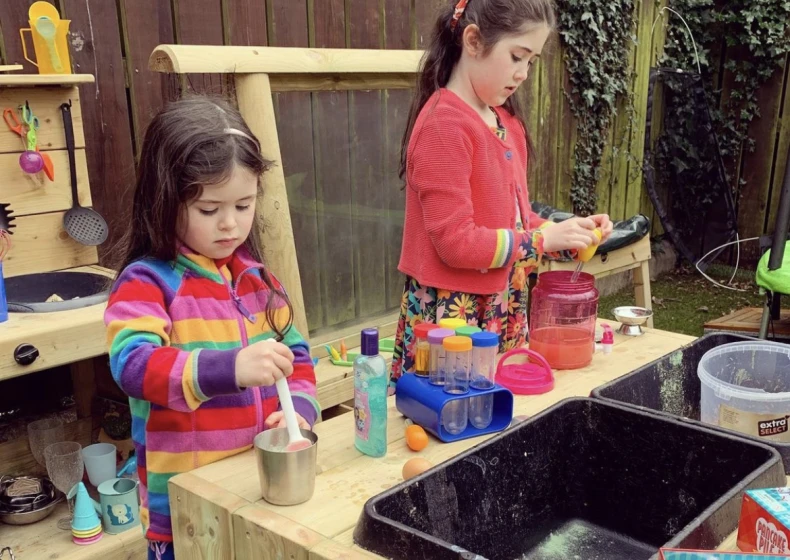
Sensory play is an integral part of a baby’s development, offering a plethora of benefits that extend beyond mere entertainment. This form of play involves activities that stimulate a baby’s senses, including touch, smell, taste, sight, and hearing. Through sensory play, babies explore the world around them, develop critical skills, and foster cognitive growth. This article delves into the advantages of sensory play, providing insights and practical guidance for caregivers and parents looking to enrich their baby’s developmental journey.
Understanding Sensory Play
Sensory play is characterized by activities that engage a child’s senses in an interactive and exploratory manner. It is not only about fun; it is about laying the groundwork for learning and development. Engaging in sensory play provides babies with the opportunity to:
- Enhance their cognitive skills by understanding cause and effect.
- Develop fine and gross motor skills through physical interaction.
- Improve social skills as they interact with caregivers and peers.
- Boost language development as they learn to describe sensory experiences.
To explore advanced guides and tips on incorporating sensory play into daily routines, discover expert strategies here.
Benefits of Sensory Play for Babies
1. Cognitive Development
Through sensory play, babies engage in activities that require them to explore, investigate, and solve problems. This kind of play encourages critical thinking and enhances brain development. Babies learn to differentiate between textures, sounds, and smells, which are foundational elements of cognitive growth. Learn about our tailored solutions to support cognitive development through sensory play.
2. Motor Skills Enhancement
Sensory play often involves using hands and fingers, which can significantly improve both fine and gross motor skills. Activities such as playing with water, sand, or clay help strengthen the muscles in a baby?s hands and fingers, preparing them for future tasks such as holding a pencil or tying shoelaces.
3. Language and Communication Skills
As babies engage in sensory play, they are also developing their language and communication skills. Describing sensory experiences and naming objects involved in play encourages the development of vocabulary and language comprehension. Parents and caregivers can find out more about this approach to enhance language skills through sensory activities.
4. Social and Emotional Growth
Participating in sensory play with other children or caregivers helps babies develop social skills such as sharing, cooperation, and turn-taking. It also provides an emotional outlet, allowing babies to express themselves and understand their feelings through different sensory experiences.
Implementing Sensory Play at Home
Incorporating sensory play into a baby?s routine can be simple and effective. Here are a few ideas:
- Textured Play Mats: Use mats with various textures to stimulate touch.
- Water Play: Supervised water activities can enhance tactile and auditory senses.
- Sensory Bins: Fill bins with rice, beans, or sand for exploration and discovery.
- Aromatic Play: Introduce safe, non-toxic scents to stimulate the sense of smell.
For more ideas and strategies on sensory play, explore advanced guides and tips.
Conclusion
Sensory play is an invaluable tool in a baby’s development, offering numerous benefits that contribute to their cognitive, motor, language, social, and emotional growth. By understanding and implementing sensory play effectively, caregivers and parents can ensure a rich developmental environment for their babies. To further enhance your understanding and application of sensory play, discover expert strategies here.