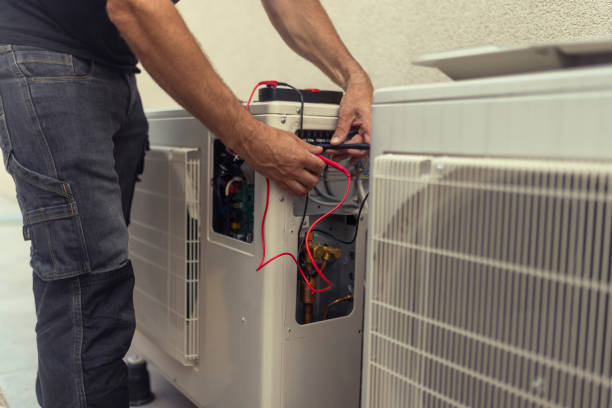
When the temperature climbs in Greensboro, a reliable air-conditioning system becomes essential for comfort, productivity, and energy efficiency. Choosing the right professionals for AC installation can be daunting, especially with a market flooded with options. This guide breaks down the critical factors to consider, outlines the steps of a proper installation, and highlights what distinguishes seasoned technicians from the rest, ensuring that homeowners and business owners alike make an informed decision.
Why Professional AC Installation Matters
Improper installation is a leading cause of early system failure, reduced efficiency, and costly repairs. Certified installers bring:
- In-depth knowledge of local building codes and permitting requirements.
- Experience with the specific climate challenges of Greensboro, such as high humidity and occasional severe storms.
- Access to manufacturer-approved tools and warranty-preserving practices.
These advantages translate into longer equipment life, lower utility bills, and peace of mind.
Key Qualifications to Look For
Licensing and Certifications
Technicians should hold a valid North Carolina contractor’s license and certifications from recognized bodies such as NATE (North American Technician Excellence) or the ACCA (Air Conditioning Contractors of America). These credentials confirm that the installer has met rigorous training standards.
Experience with Specific Systems
Not all AC units are created equal. Whether the project involves a central split system, a ductless mini-split, or a high-efficiency heat pump, the installer must have documented experience with that exact technology. Review past project portfolios or request references that align with the intended system.
Insurance and Safety Protocols
Comprehensive general liability and workers’ compensation insurance protect both the homeowner and the contractor in the event of accidental damage or injury. Verify that the service provider carries up-to-date coverage before signing any agreements.
Steps of a Proper AC Installation
A thorough installation follows a systematic process that minimizes errors and maximizes performance:
- Site Assessment: The technician evaluates the home’s layout, insulation levels, and existing ductwork to determine the optimal unit size and placement.
- Load Calculation: Using Manual J calculations, the installer quantifies the cooling load, ensuring the selected system matches the building’s needs.
- Equipment Selection: Based on the load analysis, a suitable unit is chosen, considering SEER ratings, energy-star status, and compatibility with existing infrastructure.
- Preparation of the Installation Area: This includes reinforcing the mounting platform, sealing any penetrations, and ensuring proper clearances for airflow.
- Electrical Hook-up: Certified electricians connect the unit to the home’s electrical panel, adhering to the National Electrical Code (NEC) and local regulations.
- Ductwork Inspection & Modification: Leaky or undersized ducts are repaired or replaced to prevent efficiency losses.
- System Startup & Testing: After installation, the technician performs refrigerant charge checks, airflow measurements, and thermostat calibration.
- Owner Walk-Through: The installer explains operation, maintenance schedules, and warranty terms before departure.
Benefits of Choosing Local Greensboro Experts
Local professionals possess a nuanced understanding of regional weather patterns, utility rates, and city ordinances. This localized expertise often results in:
- Faster response times for service calls and warranty issues.
- Tailored recommendations that align with Greensboro’s energy-efficiency incentive programs.
- Strong community reputation, which encourages accountability and high service standards.
Maintenance Considerations After Installation
Even the most expertly installed system requires regular upkeep to sustain peak performance. Key maintenance tasks include:
- Cleaning or replacing air filters every 1-3 months.
- Inspecting condensate drains for clogs.
- Scheduling annual professional tune-ups to check refrigerant levels, coil cleanliness, and electrical connections.
Neglecting these steps can erode efficiency by up to 15% and increase the likelihood of breakdowns.
Finding the Right Installer in Greensboro
Start by researching local providers and reviewing customer feedback on platforms such as Google, Angi, and the Better Business Bureau. Once a shortlist is created, request detailed proposals that outline:
- Scope of work and timeline.
- Breakdown of equipment costs versus labor.
- Warranty coverage for both the unit and the installation.
For a deeper dive into selection criteria and best-practice guidelines, Discover expert strategies here. The article provides actionable insights that complement the checklist above.
Cost Factors and Budget Planning
Installation expenses vary based on unit size, system type, and any required modifications to existing infrastructure. Typical cost components include:
- Equipment price (unit, thermostat, accessories).
- Labor rates, which may differ between residential and commercial projects.
- Additional materials such as new ductwork, refrigerant, or electrical upgrades.
To explore financing options and understand how energy-efficiency rebates can offset costs, Learn about our tailored solutions. This resource outlines current incentives available to Greensboro residents.
Ensuring Long-Term Satisfaction
Beyond the initial installation, a reliable partnership with the service provider ensures ongoing support. Look for companies that offer:
- Scheduled maintenance contracts.
- 24/7 emergency repair services.
- Transparent communication channels for warranty claims.
For a comprehensive guide on maintaining system health and troubleshooting common issues, Explore advanced guides and tips. The content is curated to empower homeowners with the knowledge needed to protect their investment.
Final Thoughts
Investing in a professional AC installation in Greensboro is a strategic decision that pays dividends in comfort, energy savings, and system longevity. By verifying credentials, understanding the installation process, and selecting a locally reputable provider, homeowners can avoid common pitfalls and enjoy reliable climate control for years to come. For additional information on best practices and the latest industry standards, Find out more about this approach. Armed with these insights, the path to a cool, efficient home is clear and confidently within reach.