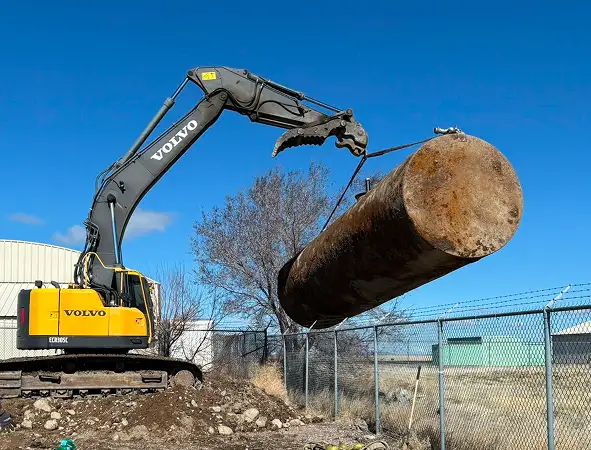
Environmental remediation services play a crucial role in mitigating the adverse effects of pollution and contamination. These services are essential for restoring ecosystems, protecting public health, and ensuring compliance with environmental regulations. As industrialization continues to expand, the demand for effective cleanup and remediation strategies has become increasingly vital. This article explores the significance of environmental remediation services and their role in addressing environmental challenges.
Understanding Environmental Remediation
Environmental remediation involves the removal of pollutants and contaminants from environmental media such as soil, groundwater, sediment, or surface water. The goal is to protect human health and the environment by cleaning up contaminated sites to meet regulatory standards. Remediation services encompass a range of technologies and methods tailored to the specific needs of a site.
Key Components of Remediation Services
– **Site Assessment and Investigation:** The first step in any remediation project is to conduct a thorough site assessment to understand the extent and nature of contamination. This involves sampling and analysis to identify pollutants present in the environment.
– **Remediation Planning:** Based on the findings from the site assessment, a detailed remediation plan is developed. This plan outlines the strategies and technologies to be employed to clean up the site effectively.
– **Implementation of Remediation Technologies:** Various technologies are used in remediation, including:
– Bioremediation: Utilizing microorganisms to degrade organic contaminants.
– Soil Vapor Extraction: Removing volatile contaminants from the soil.
– Phytoremediation: Using plants to absorb or break down pollutants.
– **Monitoring and Maintenance:** Post-remediation monitoring is essential to ensure that the site remains clean and free from contaminants. Regular maintenance is often necessary to sustain the effectiveness of the remediation efforts.
Benefits of Environmental Remediation
Environmental remediation services offer numerous benefits that extend beyond merely cleaning up a contaminated site. These benefits include:
– **Protection of Public Health:** By removing hazardous substances from the environment, remediation efforts prevent potential health risks to the local population.
– **Restoration of Ecosystems:** Contaminated sites can severely disrupt local ecosystems. Remediation helps restore ecological balance, promoting biodiversity and resilience.
– **Economic Revitalization:** Cleaning up contaminated sites can lead to the redevelopment of land, boosting local economies and creating job opportunities.
– **Regulatory Compliance:** Remediation services help organizations comply with environmental regulations, avoiding costly fines and legal issues. [Explore further insights here.](https://www.rockymountainenvironmental.com/)
Challenges in Environmental Remediation
While remediation services are essential, they are not without challenges. Some of the common obstacles include:
– **Complexity of Contamination:** Sites often have complex mixtures of contaminants, requiring multiple remediation techniques to address effectively.
– **Cost:** Remediation projects can be expensive, with costs varying significantly based on the size and severity of contamination.
– **Time-Intensive Processes:** Remediation can be time-consuming, and some techniques may take years to achieve desired results. [Learn more in this detailed guide.](https://www.rockymountainenvironmental.com/)
Innovative Solutions and Future Trends
The field of environmental remediation is continually evolving, with new technologies and approaches being developed to address existing challenges. Some of the emerging trends include:
– **Sustainable Remediation Practices:** Emphasizing methods that minimize environmental impact, reduce carbon footprints, and enhance overall sustainability.
– **Use of Advanced Technologies:** Incorporating drones, geographic information systems (GIS), and other advanced tools to improve the accuracy and efficiency of site assessments and monitoring.
– **Collaboration and Community Involvement:** Engaging local communities and stakeholders in the remediation process to ensure transparency and gain public support. [Read more about this topic.](https://www.rockymountainenvironmental.com/)
Conclusion
Environmental remediation services are indispensable for addressing the challenges posed by pollution and contamination. They not only protect public health and restore ecosystems but also enable economic growth and compliance with regulatory requirements. As the field continues to advance, it is crucial to embrace innovative solutions and foster collaboration to enhance the effectiveness and sustainability of remediation efforts. [Find additional information here.](https://www.rockymountainenvironmental.com/)