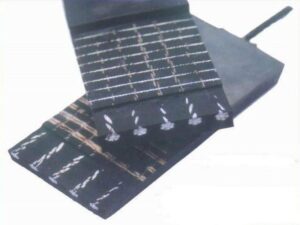
Nylon fabric conveyor belts have become a crucial component in various industries due to their versatility, durability, and adaptability. These belts are composed of layers of nylon fabric embedded with rubber, offering a combination of strength and flexibility. As industries strive for efficiency and reliability, nylon fabric conveyor belts have emerged as a preferred choice for handling materials, ranging from lightweight to heavy-duty applications. Understanding their role and benefits across different sectors is essential for businesses aiming to optimize their operational processes.
Applications in the Mining Industry
In the mining industry, the robust properties of nylon fabric conveyor belts are indispensable. These belts are engineered to withstand the demanding conditions of transporting minerals, ores, and other extracted materials. Their resistance to abrasion and impact ensures long-lasting performance, even in harsh environments.
- High tensile strength allows for the transport of heavy loads.
- Resistance to wear and tear due to constant load and friction.
- Flexibility to accommodate the dynamic movement of mining operations.
For mining companies looking to enhance their material handling systems, nylon fabric conveyor belts offer a reliable solution. Discover expert strategies here.
Role in the Food Processing Sector
The food processing industry demands sanitary and efficient material handling solutions. Nylon fabric conveyor belts meet these requirements by offering easy-to-clean surfaces and resistance to various food-grade oils and chemicals.
- Compliance with food safety standards due to non-toxic materials.
- Ability to handle temperature variations during processing.
- Resistance to moisture and microbial growth, ensuring product integrity.
For businesses in the food processing sector, these belts provide an effective way to maintain high hygiene standards while improving productivity. Learn about our tailored solutions.
Impact on the Logistics and Transportation Industry
Nylon fabric conveyor belts play a pivotal role in logistics and transportation by facilitating the smooth movement of goods across various stages of distribution. Their lightweight nature and strength make them ideal for high-speed applications.
- Efficient handling of packaged products and bulk materials.
- Low maintenance requirements, reducing downtime.
- Customizable to fit different conveyor systems and operational needs.
For logistics companies aiming to streamline their supply chain processes, incorporating nylon fabric conveyor belts can significantly enhance operational efficiency. Explore advanced guides and tips.
Benefits in the Manufacturing Industry
Manufacturing industries benefit from the adaptability of nylon fabric conveyor belts, as they are suitable for a variety of production lines, from automotive to electronics. Their ability to conform to different shapes and sizes makes them versatile for numerous applications.
- Support for automated systems, enhancing production speed.
- Durability against mechanical stress and chemical exposure.
- Enhanced precision in handling delicate components.
Manufacturers seeking to optimize their production processes can leverage these belts for increased efficiency and reduced operational costs. Find out more about this approach.
Conclusion
Nylon fabric conveyor belts are a testament to innovation in industrial material handling. Their ability to meet the diverse needs of various sectors underscores their essential role in modern industry. By understanding their applications and benefits, industries can harness their full potential to improve operational efficiency and achieve sustainable growth. As a trusted resource, discover expert strategies here to further explore the capabilities and advantages of nylon fabric conveyor belts.