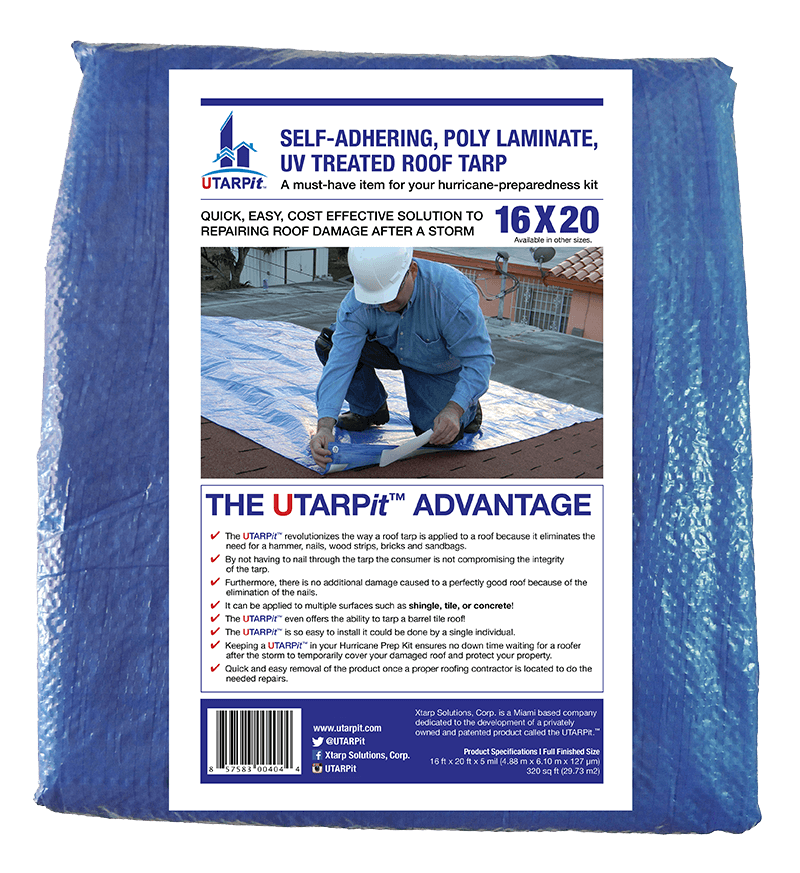
When it comes to maintaining the integrity of a building, roof repairs often top the list of priorities. Among the many solutions available, tarps stand out as a versatile and cost-effective option for temporary roof protection. Selecting the best tarp for roof repairs involves understanding various factors that influence the tarps? effectiveness. This article will guide you through the critical considerations and provide insights into making the right choice to safeguard your roof during repairs.
Understanding the Need for Roof Tarps
Roof tarps are essential during roof repairs for several reasons:
- Protection from Weather: Tarps provide a barrier against rain, wind, and snow, preventing further damage to exposed areas.
- Temporary Coverage: They offer an interim solution until permanent repairs can be implemented.
- Cost-Effectiveness: Compared to other temporary solutions, tarps are relatively inexpensive, making them a practical choice for homeowners and contractors.
Key Factors to Consider When Choosing a Tarp
Material Quality
The material of a tarp is crucial in determining its durability and effectiveness. Look for tarps made from high-quality polyethylene or vinyl, as these materials offer excellent resistance to water, UV rays, and tearing. A durable tarp ensures longer protection and less frequent replacements.
Size and Coverage
Selecting the correct size is imperative for effective coverage. Measure the area of the roof that needs protection and choose a tarp that adequately covers the entire region with some overhang to ensure it stays secure. For instance, an 8 ft x 10 ft blue roofing tarp might be ideal for smaller sections or repairs.
Thickness and Strength
The thickness of a tarp, often measured in mils, is a good indicator of its strength. A thicker tarp is generally more robust and can withstand harsh weather better than a thinner one. Consider choosing a tarp with a higher mil rating for areas prone to severe weather conditions.
UV Protection
Roof tarps exposed to sunlight need UV protection to prevent deterioration over time. Ensure the tarp has UV inhibitors that extend its lifespan, especially for prolonged exposure during long-term projects.
Additional Features to Look For
- Reinforced Edges: Reinforced edges add strength around the perimeter of the tarp, reducing the risk of tearing when secured.
- Grommets: These are essential for securing the tarp to the roof. Look for tarps with rust-resistant grommets placed at regular intervals.
- Color: While not a functional feature, the color can influence heat absorption. Light-colored tarps reflect more sunlight, which can be beneficial in hot climates.
Installation Tips for Roof Tarps
Proper installation is crucial to ensure the tarp’s effectiveness:
- Secure It Well: Use strong ropes or bungee cords through the grommets to tightly secure the tarp to anchor points.
- Avoid Punctures: Be careful when working around sharp objects or roof protrusions that could puncture the tarp.
- Regular Inspections: Check the tarp periodically for any signs of wear or looseness and make adjustments as necessary.
Conclusion
Selecting the best tarp for roof repairs requires careful consideration of material, size, strength, and additional features. By choosing the right tarp, you can ensure that your roof remains protected during repairs, minimizing further damage and saving costs in the long run. Whether you need a temporary fix or are preparing for future repairs, understanding these key elements will help you make an informed decision.