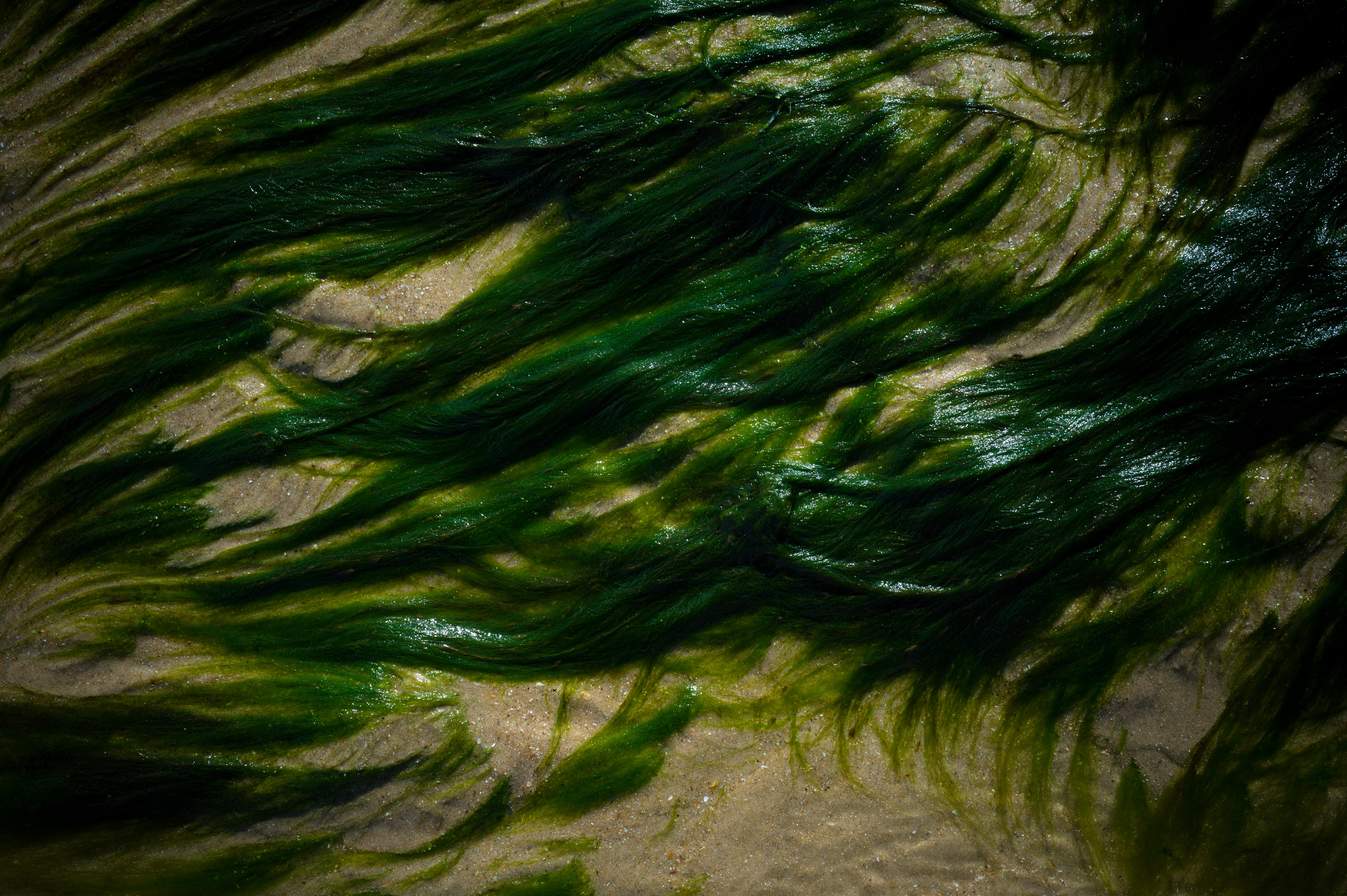
Achieving a lush, green lawn is a common aspiration for homeowners and garden enthusiasts alike. Traditional chemical fertilisers can often lead to imbalances in the soil, affecting its health and the environment. In response, many are turning to organic alternatives, with seaweed fertiliser emerging as a powerful option. This natural solution not only nourishes your grass but also enhances soil structure and promotes sustainable growth. Understanding how to incorporate seaweed fertiliser into your lawn care routine can make a significant difference in the health and appearance of your grass.
Understanding Seaweed Fertiliser
Seaweed fertiliser is derived from marine algae and is rich in essential nutrients and trace elements that are beneficial for plant growth. Here are some key components:
- Contains macronutrients like nitrogen, phosphorus, and potassium.
- Packed with micronutrients such as magnesium, calcium, and sulfur.
- Rich in essential vitamins, amino acids, and growth hormones.
These elements contribute to the overall vitality of your lawn, stimulating root growth and enhancing the plant?s ability to uptake nutrients. Discover expert strategies here.
Benefits of Using Seaweed Fertiliser on Grass
Seaweed fertiliser offers numerous benefits that go beyond traditional fertilisers. Here?s why it stands out:
- Improves Soil Health: Enhances the soil?s microbial activity and structure.
- Environmental Friendly: Minimises chemical runoff and is biodegradable.
- Reduces Stress: Helps grass cope with environmental stressors such as drought and disease.
- Encourages Growth: Promotes lush, vigorous growth without the risk of over-fertilisation.
By using seaweed fertiliser, you contribute to a sustainable gardening practice that supports the ecosystem. Learn about our tailored solutions.
Application Techniques for Optimal Results
Choosing the Right Product
When selecting a seaweed fertiliser, it?s important to consider the form that best suits your needs:
- Liquid Form: Offers quick absorption and is easy to apply with a spray.
- Granular Form: Provides a slow release of nutrients over time.
Choosing the right form depends on your lawn?s specific needs and your personal preferences. Explore advanced guides and tips.
Timing and Frequency
For the best results, seaweed fertiliser should be applied at key growth stages:
- Spring: Helps in the early growth phase, providing essential nutrients for a robust start.
- Summer: Supports resilience against heat and dry conditions.
- Fall: Prepares the grass for winter dormancy, strengthening root systems.
Regular applications, every 4 to 6 weeks, ensure sustained nourishment and optimal growth. Find out more about this approach.
Conclusion
Incorporating seaweed fertiliser into your lawn care routine provides a natural and effective way to achieve a vibrant, healthy lawn. Its benefits extend beyond aesthetics, promoting environmental sustainability and long-term soil health. By understanding the application techniques and timing, one can maximize the advantages of this organic solution and enjoy a greener, more resilient lawn.