Maintaining a septic tank system might seem daunting, but with the right knowledge and regular upkeep, it can be effectively managed by homeowners themselves. Septic systems play a crucial role in processing and disposing of household waste, and their maintenance is key to ensuring they function efficiently and last for many years. By adopting a proactive approach, homeowners can prevent potential problems that could otherwise result in costly repairs. This article delves into expert tips for DIY septic tank maintenance, providing a comprehensive guide to keeping your system in optimal condition.
Understanding Your Septic System
Before diving into maintenance tips, it is essential to understand the components of a septic system. Typically, a septic system includes a septic tank, distribution box, and a drainage field. Each part plays a vital role:
- Septic Tank: Collects and treats wastewater, allowing solids to settle and scum to float.
- Distribution Box: Distributes effluent evenly to the drainage field.
- Drainage Field: Further treats effluent as it percolates through the soil.
Knowing these components helps in identifying potential issues and understanding the maintenance processes required. Discover expert strategies here.
Regular Inspection and Pumping
Frequent Inspections
Regular inspections are crucial to catch problems early. Homeowners should aim to inspect their septic system at least once a year. During an inspection, check for:
- Visible signs of leaks or damage.
- Unpleasant odors emanating from the system.
- Any signs of backflow or drainage issues.
Scheduled Pumping
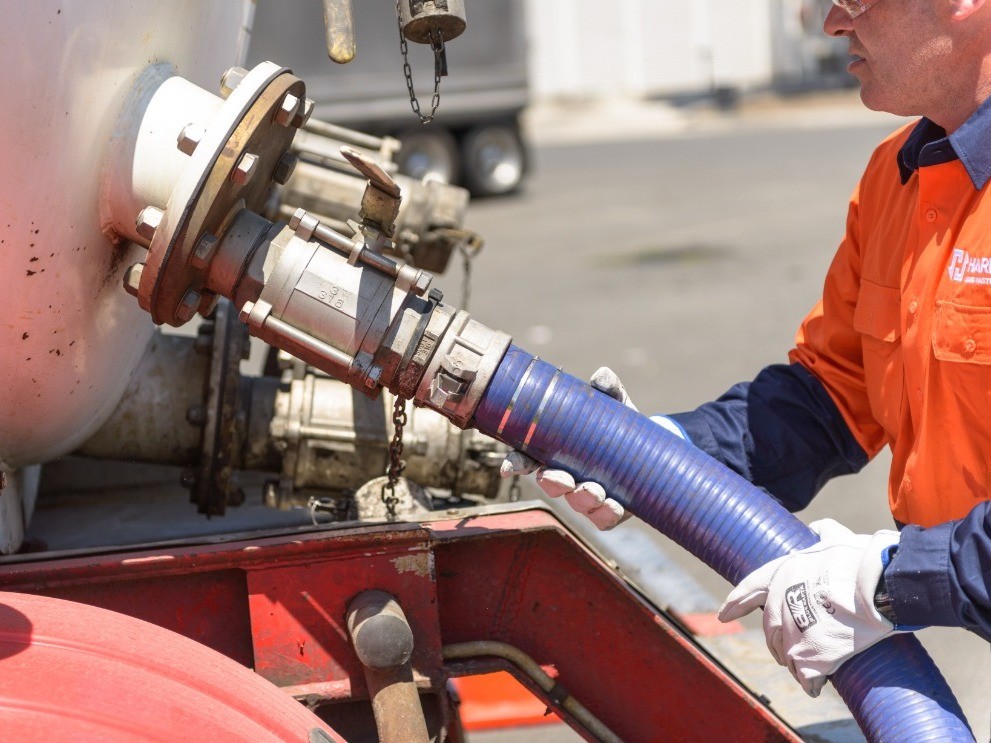
Pumping is essential to remove sludge and scum buildup in the septic tank. The frequency of pumping depends on tank size, household size, and usage patterns. Generally, tanks should be pumped every 3-5 years. Explore advanced guides and tips.
Mindful Water Usage
Efficient water use can significantly impact the performance of your septic system. By conserving water, you reduce the load on the system, thus minimizing the risk of failure. Consider the following strategies:
- Fix leaks promptly to prevent excessive water flow into the system.
- Install high-efficiency toilets and showerheads.
- Spread out laundry loads to avoid overloading the system.
These practices not only enhance the system’s efficiency but also contribute to environmental sustainability. Find out more about this approach.
Proper Waste Disposal
What goes into your septic system affects its functionality. Improper waste disposal can lead to blockages and system failures. To maintain your septic system, adhere to these guidelines:
- Avoid flushing non-biodegradable items, such as wipes, diapers, and feminine hygiene products.
- Minimize the use of harsh chemicals and detergents that can disrupt the microbial environment in the tank.
- Dispose of grease and cooking oils in the trash rather than down the drain.
By being mindful of what you dispose of, you can protect your septic system from unnecessary wear and tear. Learn about our tailored solutions.
Conclusion
A well-maintained septic system is an investment in your property and peace of mind. By understanding how your system works and implementing these expert tips, homeowners can effectively manage and maintain their septic systems. Regular inspections, mindful water usage, and proper waste disposal are key strategies for prolonging the life of your septic system. For those seeking additional guidance and resources, explore advanced guides and tips to ensure your system remains in peak condition.